
07881 375985
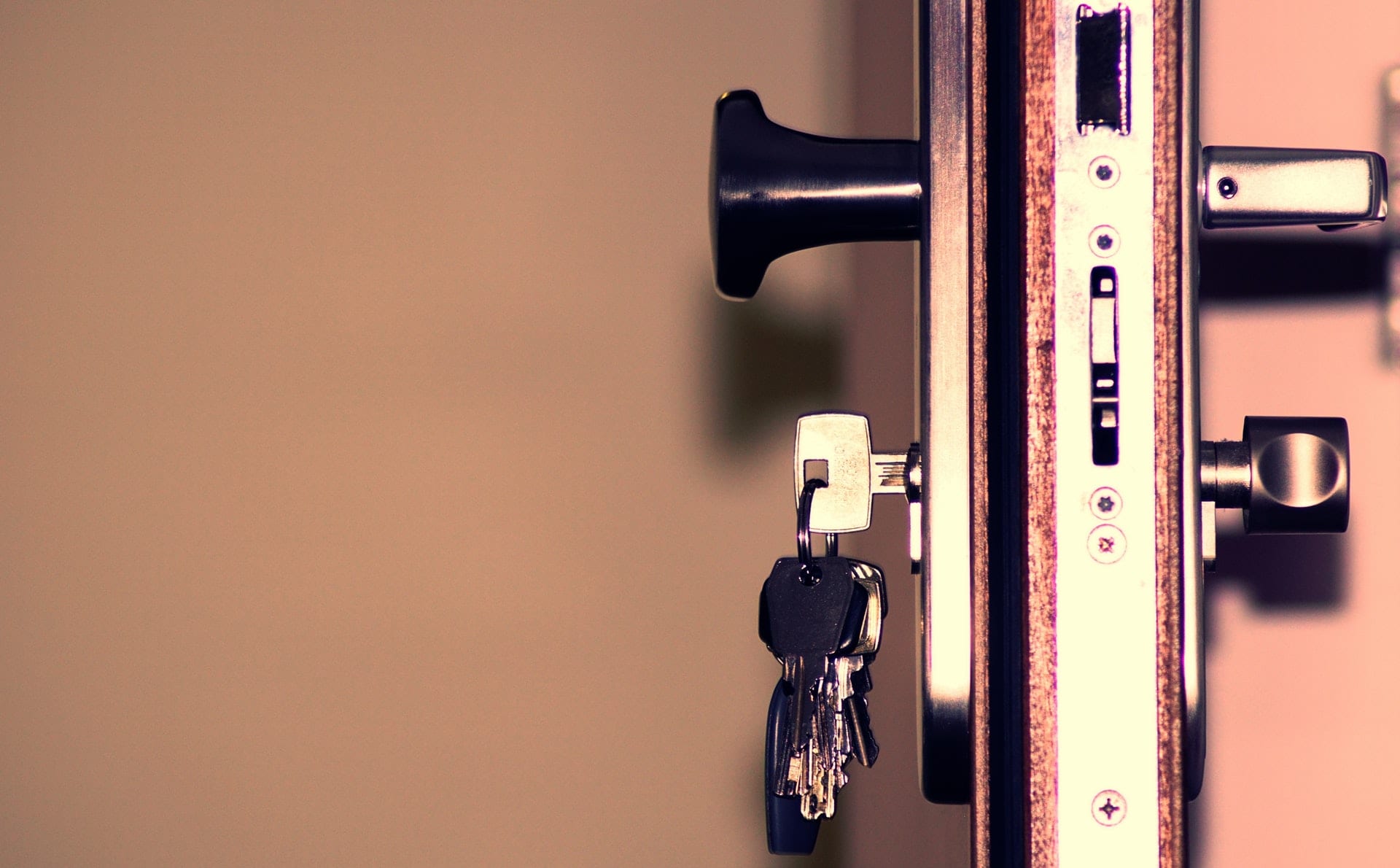
If you’re researching how to change a lock on a new home, chances are you’ve just moved in and want reassurance that only you have access. That instinct is spot on. When you get the keys to a property, you’re also inheriting unknown copies, old arrangements, and security decisions that weren’t yours.
In this guide, we’ll walk through how to change a lock on a new home, what it really involves, what most homeowners overlook, and why in many cases, the smartest move is to have a professional locksmith handle it properly. You’ll still understand the process step by step, but you’ll also see why expert fitting often makes more sense than a rushed DIY job.
Most articles treat changing door locks as a simple mechanical task. Unscrew something, insert the new lock, tighten it up, and you’re done. In reality, security is rarely that straightforward.
When you move in, you cannot verify:
Even if the previous owner seems trustworthy, they may have given a spare to a neighbour, a cleaner, or a contractor years back and forgotten.
Learning how to change the lock on a new home isn’t just about replacing hardware. It’s about resetting control.
Here’s the subtle point many DIY guides miss: security weaknesses often aren’t visible. A lock can look new but still be outdated, poorly aligned, or vulnerable to common attack methods. Without knowing what to look for, replacing like-for-like might leave you with the same vulnerability you had before.
If you were to change a lock yourself, the process would usually follow a simple pattern:
That sounds straightforward, and in some cases it is. But here’s where things often become complicated.
Most UK homes have one of the following:
Each type has different fitting considerations. Mortice locks sit inside the door and may require careful alignment. Euro cylinders must be measured precisely from the centre fixing screw. Nightlatches involve both the door and frame.
A small measuring mistake can mean the new cylinder protrudes too far, making it easier to attack. A poorly aligned mortice lock can cause stiffness or prevent the bolt from seating properly. These are small details, but they matter.
If your goal is simply to understand how to change a lock, it’s helpful to know what can go wrong before deciding whether to do it yourself.
Euro cylinders must be measured from the centre screw hole to each side. Even a few millimetres wrong can affect security or function. Too long, and the cylinder may stick out beyond the handle. Too short, and it may sit awkwardly inside the door.
Sometimes the lock isn’t the problem. The door may have dropped slightly over time. Replacing the lock won’t fix that. A professional locksmith will check hinge alignment and strike plate positioning before assuming the mechanism is at fault.
Many homeowners researching how to change a lock simply replace what’s already there. A locksmith, on the other hand, may recommend:
This is where professional advice adds real value. It’s not about upselling. It’s about ensuring your “fresh start” is actually secure.
It happens more often than you think. The door gets closed before the mechanism is fully tested. The latch fails to retract properly. Suddenly, you’re locked out of your own house on moving week.
A locksmith avoids that risk entirely.
You absolutely can learn how to change the lock on a new home yourself. The steps are not secret or complicated. But here’s the bigger picture.
A professional locksmith does more than swap hardware.
They will:
More importantly, they’ll do it efficiently.
On moving day, you already have utilities, broadband, unpacking, and endless admin to manage. Spending hours researching cylinder sizes and compatibility might not be the best use of your time.
There’s also the peace-of-mind factor. When a qualified locksmith completes the job, you know:
That reassurance is often worth more than the cost difference between DIY and professional fitting.
Cost is often what pushes people toward DIY.
While prices vary by location and lock type, professional lock changes are typically priced per door and influenced by:
For many homeowners, the cost is reasonable when weighed against:
If you’re already searching for how to change the lock on a new home, it’s worth getting a quote before assuming DIY is significantly cheaper. Once you factor in quality parts and your time, the gap often narrows.
If you’ve just collected the keys, here’s a sensible action plan.
First, prioritise the main entry doors. Front and back doors should be secured first. Secondary access points can follow.
Second, book a locksmith visit early. Ideally, within the first few days of moving.
Third, if you’re waiting for an appointment, avoid handing out spare keys until new door locks are fitted.
Even if you fully understand how to change the lock on a new home, the real advantage of professional fitting is not the screwdriver work. It’s the security assessment that comes with it.
Understanding how to change the lock on a new home gives you confidence. You now know the basic process: open the door, remove the old locks, insert the new lock, and test the locks before closing everything up. On the surface, it can look simple.
But security is rarely just about swapping parts.
Correct sizing, proper alignment, updated security standards, and long-term reliability all matter. A professional locksmith brings experience that goes beyond the step-by-step mechanics. They help you avoid mistakes, identify weaknesses, and ensure your home is properly secured from day one.
If you’ve just moved in and want genuine peace of mind, the most efficient and reliable next step is simple: speak to a trusted locksmith, get a quote, and let an expert handle the job correctly.
Call for immediate assistance at home or at work in Barnsley, Sheffield, Rotherham, Doncaster and across South Yorkshire.
As your local emergency locksmith we can help you with:
Locked Out
Lost Keys
Broken Keys
Faulty Locks
Replacement Locks
Door Repairs