
07881 375985
Your door lock is one of the most important parts of your home’s security. It acts as the main line of defence, keeping your home, family, and belongings safe. Over time, locks naturally experience wear and tear. They may stop working smoothly or become outdated as better security lock designs are introduced. This often leads to the question of how to know when it’s time to replace your door lock? Understanding the warning signs can help you avoid unexpected problems and ensure your home remains secure.
Replacing your locks is not only about reacting to damage, but it is also about staying ahead of risks. A well-timed upgrade can prevent forced entry and improve daily convenience. This guide explains how to spot the signs that your locks are failing, when you should replace them, and whether it is best to do it yourself or call a professional.
A good lock protects your home and gives you peace of mind. It’s a small detail that makes a big difference. However, older locks or poorly fitted ones can weaken over time, leaving gaps in your security. Many people only think about their locks after a problem occurs, but regular checks can prevent both frustration and danger.
Replacing your locks ensures that your doors are working as they should and that you are protected from modern break-in techniques. A strong security lock resists picking, drilling, and snapping, while older locks often lack these defences. Even if a lock looks fine on the outside, its internal parts can wear down through daily use, making it easier for someone to gain access. Regular updates and inspections help prevent this.
You can usually tell when a lock is starting to fail by how it feels during everyday use. A healthy lock should turn easily, click securely, and stay steady in its fittings. When it starts to stick, grind, or move loosely, that’s often a clear sign it’s time to replace your door locks. Below are some of the main warning signs to look for.
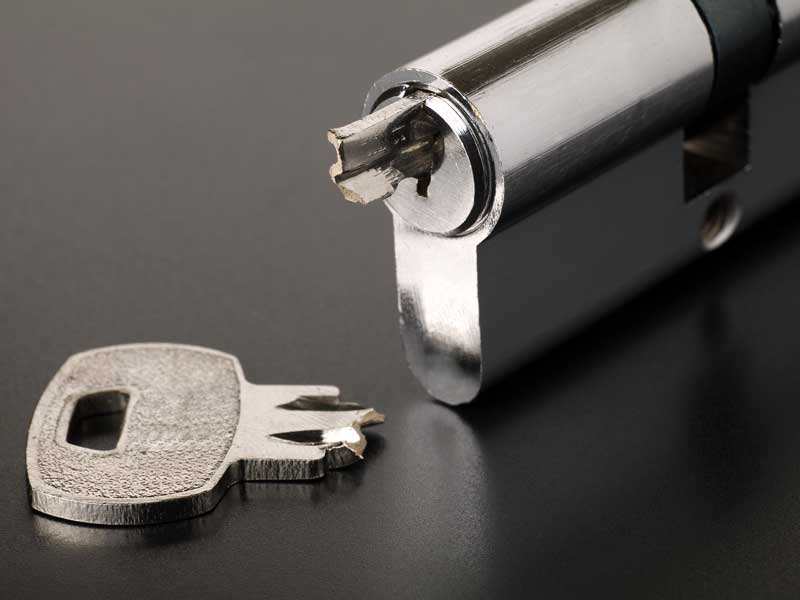
If your key gets stuck, takes effort to turn, or needs a wiggle to work, the inside of the lock might be wearing down. Cylinder locks can develop rough or uneven pins over time. Lubricant might help for a short while, but it won’t fix the root of the problem. Continuing to use it can make things worse and could even cause the key to snap inside the lock.
A lock that feels loose or rattles when you use it is not secure. This can happen when screws, bolts, or other parts loosen with use. The more the lock moves, the easier it becomes to force open. It’s best to fix or replace a loose lock before it becomes a serious weakness.
Locks exposed to moisture can develop rust, which weakens the metal and causes stiff movement. Corrosion often appears on older locks and should not be ignored. If you spot scratches, cracks, or tool marks near the keyhole, it might be a sign of an attempted forced entry. Damaged locks are unreliable and need replacing straight away.
If you have to lift, pull, or push your door for it to latch properly, the frame might be misaligned. This can put pressure on the bolt or latch and cause parts of the lock to wear out faster. A misaligned door can also make locking more difficult during hot or cold weather.
A door that jams or only locks occasionally may have broken or worn springs inside the mechanism. This is common in older locks or those that haven’t been serviced for years. Once a lock begins to jam repeatedly, replacement is usually the most reliable solution.
Losing your keys is frustrating, but it’s also a major security risk. You never know who might find them or where they might end up. Replacing your locks after losing keys ensures that nobody else can gain access. It’s an important step for your safety and peace of mind.
If your home has been broken into, or if someone has tried to force entry, you should always replace your locks. Even if the damage looks small, the mechanism might have been weakened. Installing high-security locks after a break-in helps protect your home and restores confidence in your safety.
When moving into a new home, replacing your locks should be a priority. You can’t be sure how many spare keys are still out there or who has them. Previous owners, tradespeople, or neighbours could still have access. Changing the locks gives you complete control over who can enter and ensures your home is secure from day one.
Not every lock problem means you need an entirely new one. Sometimes the right solution is to rekey or repair instead. Understanding these options helps you make the best choice for your situation.
If your lock still feels solid and the problem is minor, such as a stiff latch or a small misalignment, a simple repair might solve it. A professional locksmith can clean, lubricate, and readjust the lock or replace small parts inside. This is a good option when the lock is still fairly new or already a high-quality model.
Rekeying changes the internal pins of a lock so that old keys no longer work. It’s a smart move if your keys are lost or if too many people have copies, but the lock itself is still in good shape. Rekeying is usually cheaper than replacing your locks, but it doesn’t improve the overall strength of older locks.
If your lock is outdated, damaged, or doesn’t meet current security standards, it’s time to replace it. Worn parts, corrosion, or old designs that lack anti-snap and anti-drill features make a lock unreliable. Replacing your locks with modern security options keeps your property secure and compliant with insurance standards.
Knowing the different lock standards helps you choose one that truly protects your home rather than just replacing what you already have.
BS3621: This is the British Standard for 5-lever mortice locks often used on timber doors. It’s commonly required by insurers because it meets specific security and strength tests. Look for the BS3621 mark on the lock’s faceplate.
TS007: This rating system is used for euro cylinder locks, common in uPVC and composite doors. The system uses stars to show the level of protection. A three-star cylinder or a one-star cylinder paired with a two-star handle offers strong resistance to snapping, drilling, and picking.
PAS 24 and Secured by Design: These cover whole door sets rather than individual locks. Doors with these certifications have been tested to resist forced entry and are recommended for higher levels of security.
When you replace your door locks, choosing certified products ensures your home is protected to the latest standards. It also helps meet insurance conditions and offers added peace of mind that your locks are properly tested and secure.
Different doors require different lock systems. Knowing which type your door uses will help you find the most suitable replacement.
Timber doors usually use mortice locks or night latches. The most secure option is a BS3621 five-lever mortice lock. If your current lock is sticking or showing signs of wear and tear, replacing it with a certified version will strengthen your door and ensure it meets insurance guidelines.
Most uPVC and composite doors use euro cylinder locks with multipoint mechanisms. Look for TS007 three-star cylinders when replacing your locks. They’re designed to resist drilling and snapping, which are common burglary methods. If your handle feels loose or the key spins freely, it could mean the internal gearbox has worn out and needs replacing.
Aluminium and sliding doors often use hook or shoot bolt mechanisms. These locks need precise alignment to work correctly. If your sliding door is sticking or not locking properly, a locksmith can measure and fit a new lock to ensure smooth operation and proper engagement.
Technology has made locking systems more advanced and convenient. Smart locks allow you to lock and unlock your door without a physical key. They can be operated through a smartphone, keypad, or even a fingerprint. Some models let you give temporary access codes to visitors or delivery drivers, adding flexibility without losing security.
While smart locks are modern and easy to use, they should still meet recognised British security standards. Combining a smart system with a solid cylinder lock or mortice lock gives you the best of both worlds: convenience and reliable physical security. It’s always best to ask a professional locksmith to install a smart lock to make sure it works correctly with your existing door and meets your insurance conditions.
The cost of replacing your locks varies depending on the type of lock, the door material, and the level of security you choose. Simple replacements, such as a standard cylinder lock, usually take less than an hour to complete. More complex jobs like fitting new mortice locks or multipoint mechanisms can take longer because the locksmith may need to adjust the door or cut new sections.
High security locks are often more expensive, but they provide far better protection and longer-lasting performance. A professional locksmith can inspect your doors, recommend suitable replacements, and make sure the new locks are installed to British Standard. This ensures proper alignment, durability, and the right level of security for your home.
You can replace a basic cylinder lock yourself with the right tools, but there are risks if the fitting isn’t perfect. A small error can cause the bolt to misalign, making the lock weaker or even preventing the door from closing properly.
For this reason, many homeowners prefer to call a professional locksmith. Professionals can identify hidden issues such as warped doors, damaged hinges, or worn gearboxes that may affect how the lock works. They also ensure the new lock complies with British Standards and functions as intended.
If your lock is badly damaged or you are locked out, it’s best to contact an emergency locksmith. CD Locksmith offers emergency support, helping people regain entry and secure their property safely and efficiently.
Once you’ve replaced your locks, keeping them maintained will help them last longer and work smoothly. A small amount of care can prevent bigger problems later on.
Clean and lubricate your locks every few months using a graphite-based or specialist lock lubricant. Avoid oil-based products, as they attract dust and dirt. Check screws and handles regularly to make sure nothing has come loose.
For cylinder locks, ensure the cylinder does not extend more than five millimetres beyond the handle faceplate, as this can make it easier to snap. Mortice locks on timber doors should be checked for proper latch alignment, especially after seasonal temperature changes that cause wood to expand or contract.
If you notice your keys becoming worn or bent, replace them. Worn keys can damage the internal pins of the lock, shortening its lifespan. Regular maintenance will keep your locks strong, reliable, and ready to protect your home whenever you need them.
Knowing when it’s time to replace your door locks is an important part of home security. Locks endure constant use, changing weather, and general wear and tear. When they begin to stick, loosen, or show signs of damage, they can no longer protect your home as effectively as they should.
Replacing your locks at the right time helps prevent break-ins, makes your doors easier to use, and gives you peace of mind that your home is protected. Whether you decide to fit high security locks, modern cylinder locks, or smart locks, make sure they meet recognised British Standards and are installed correctly.
If you’re ever unsure or if you find yourself locked out or facing damaged locks, professional locksmiths are available to help. Emergency services like CD Locksmith can fix or replace locks quickly, ensuring your property remains safe, secure, and ready to stand against any potential threats.
Call for immediate assistance at home or at work in Barnsley, Sheffield, Rotherham, Doncaster and across South Yorkshire.
As your local emergency locksmith we can help you with:
Locked Out
Lost Keys
Broken Keys
Faulty Locks
Replacement Locks
Door Repairs