
07881 375985
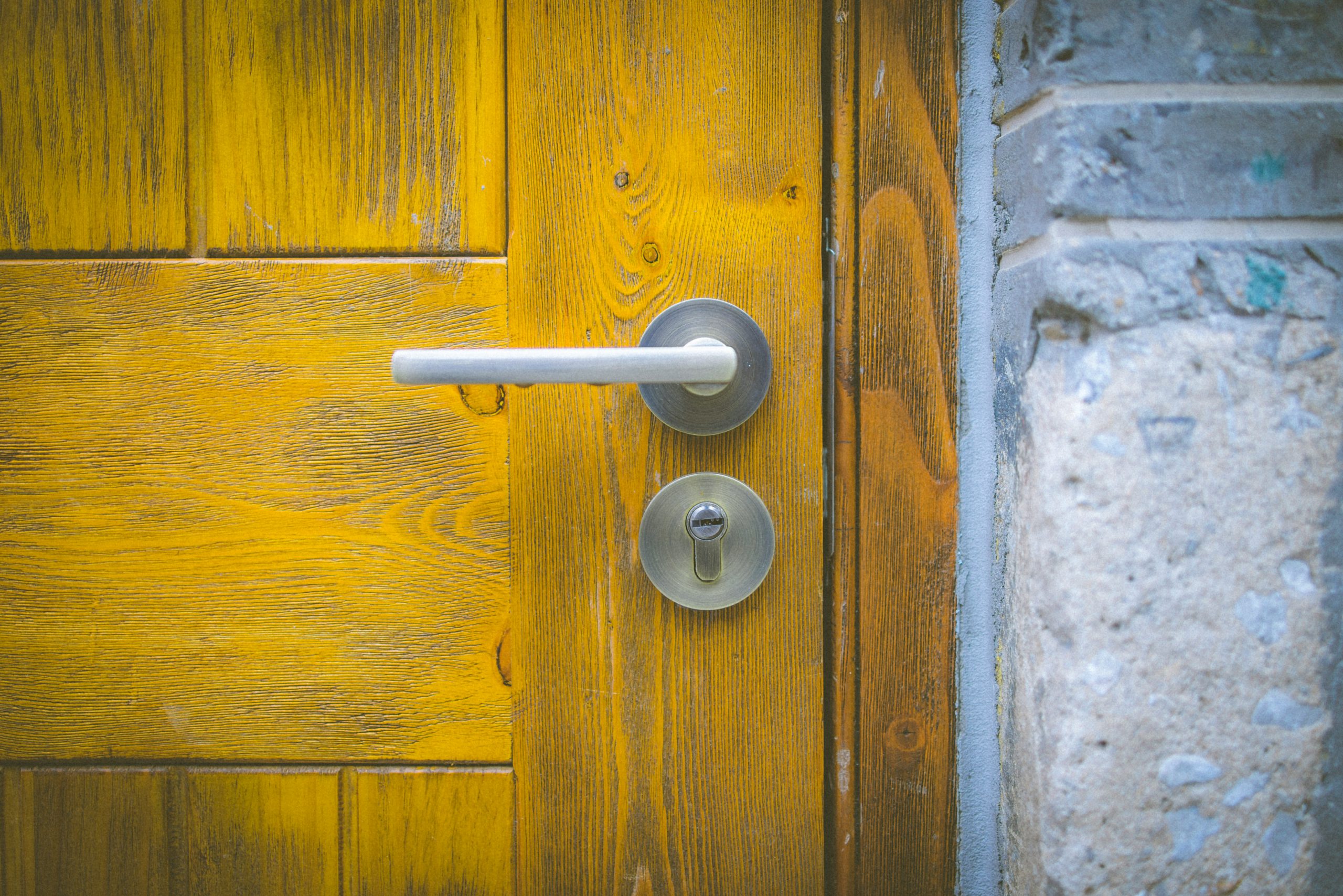
A faulty handle can quickly become frustrating. If you have ever stood in front of a door that refuses to open or close properly, you have probably wondered how to repair a door handle without making the situation worse. The good news is that many door handle problems are easier to fix than people expect.
Most people searching for how to repair a door handle are dealing with simple issues. These often include worn parts, loose screws, or a latch mechanism that is not moving properly. While some repairs do require professional help, many problems can be fixed at home with basic tools.
This guide explains how to repair a door handle step by step. We will look at the most common door handle problems, how to identify them, and when it may be better to call a locksmith. You will also learn why door handles fail in the first place. Many guides skip this part, but understanding the cause of the problem helps prevent the same issue from happening again.
Before you start taking the handle apart, it helps to understand what is causing the issue. Many people begin searching for how to repair a door handle and immediately grab a screwdriver, but the problem might actually be something simple, like a latch that is slightly out of alignment.
Taking a moment to inspect the handle first can save time and prevent unnecessary work.
Several issues appear again and again in homes and commercial buildings. Recognising them will make repairing the handle much easier.
A loose door handle is one of the most common faults. Over time, the screws that hold the handle plates together can slowly loosen. When this happens, the handle begins to wobble or feel unstable.
Another issue occurs when the handle turns but the door does not open. This often means the spindle, the square metal bar connecting the handles on each side, has worn down or slipped out of place.
Sometimes the handle stops returning to its normal position after being pressed down. This usually means the internal spring has worn out or broken.
You may also notice the latch sticking or not moving smoothly. Dirt, rust, or a lack of lubrication can cause this problem.
Understanding these faults makes repairing a door handle much easier because you can focus on the actual cause rather than guessing.
Many people ask this before attempting a repair. In most cases, the answer is yes.
Most modern door handles contain replaceable parts. Screws, spindles, springs, and latches can often be repaired or replaced without installing a completely new handle.
However, if the handle casing is cracked or the metal handle itself has snapped, replacing the entire unit is usually the safest option. A locksmith can quickly assess the damage and recommend the best solution.
Here is something that many DIY articles do not mention. Often, the handle is not the real cause of the problem.
Professional locksmiths regularly find that the issue comes from poor installation or a door that has shifted slightly over time. When the door frame moves even a small amount, pressure builds on the latch each time the door closes. Eventually, the handle begins to fail.
When people search for how to repair a door handle, they usually focus only on the handle itself. A locksmith looks at the entire door system, including hinges and strike plates. This wider view often prevents the same issue from happening again.
One reason many homeowners want to learn how to repair a door handle is that the repair usually requires only a few simple tools.
You may already have most of them at home.
Typical tools include:
In some situations, wood glue can help repair stripped screw holes in wooden doors.
Lubrication is particularly important. A stiff handle often needs nothing more than proper lubrication. Dust and small metal particles can build up inside the latch mechanism over time. Applying lubricant allows the internal parts to move freely again.
From a locksmith’s point of view, simple maintenance like this could prevent many door handle problems.
Once you understand the problem and have the right tools ready, you can begin the repair. Following a clear process will help avoid damaging the door or hardware.
Start by opening the door fully and placing a doorstop underneath it. This keeps the door steady while you work and prevents it from moving unexpectedly.
Use a screwdriver to remove the screws from the handle plates.
Some handles hide the screws behind decorative covers. If this is the case, gently remove the cover to reveal the screws underneath.
If your handle has a small grub screw near the base, loosen it using an Allen key before removing the handle.
Once the handle is removed, you will see the spindle running through the latch.
Check the spindle carefully. If the edges are rounded or the fit feels loose, it may need replacing.
This is often the moment when people fully understand what they are doing, because the internal parts become visible and the source of the problem becomes clearer.
Next, remove the latch plate from the edge of the door. Carefully pull the latch mechanism out.
Press the latch in and release it. It should move smoothly and return quickly. If it sticks, cleaning and lubrication may solve the problem.
If the latch feels damaged or worn, replacing it is usually the best option.
If the handle felt unstable, the screw holes in the door may have worn out.
A simple repair involves filling the hole with wood glue and inserting a small wooden dowel or matchstick. Once the glue dries, reinstall the screw. This creates a tighter grip.
This method often fixes a loose door handle effectively.
Insert the spindle back through the latch and reinstall the handle plates.
Tighten the screws gradually rather than forcing them all the way in at once. This helps keep the handle aligned.
Once everything is in place, test the handle several times to make sure it moves smoothly.
At this stage, you should have successfully learned how to repair a door handle and restored the handle to working order.
Understanding how to repair a door handle becomes easier when you know how to deal with specific faults.
If the handle moves too much, the problem is usually loose screws or worn mounting holes.
Tightening the screws often solves the issue. If the screws do not tighten properly, repairing the hole with wood glue or filler can restore the grip.
When a handle spins freely but the latch does not move, the spindle or set screw is often the cause.
Replacing the spindle usually solves the problem quickly.
If the handle stays down after being pressed, the internal spring may be broken.
Some handles allow the spring to be replaced. In other cases, replacing the entire handle is the easiest solution.
Many people researching how to repair a door handle ask this question.
Small repairs are usually manageable for homeowners. Tightening screws, lubricating the mechanism, and replacing a spindle are simple tasks.
However, certain situations require professional help.
You may need a locksmith if:
Locksmiths have specialised tools and experience that allow them to identify deeper issues quickly.
Sometimes people begin learning how to repair a door handle, only to realise that the real problem involves door alignment or lock components. A locksmith can fix these issues properly and prevent further damage.
Learning how to repair a door handle can save both time and money. Many common problems, such as a loose door handle, worn spindle, or sticking latch can be fixed with basic tools and a careful approach.
The most important step is identifying the cause of the problem before starting the repair. Once you understand what is wrong, the repair process becomes much simpler.
That said, some issues go beyond a basic repair. If the handle continues to fail or the door no longer works correctly, contacting a locksmith is often the safest option.
A properly repaired handle should move smoothly and allow the door to open and close without resistance. With regular maintenance and quick repairs when needed, your door hardware can remain reliable for many years.
Call for immediate assistance at home or at work in Barnsley, Sheffield, Rotherham, Doncaster and across South Yorkshire.
As your local emergency locksmith we can help you with:
Locked Out
Lost Keys
Broken Keys
Faulty Locks
Replacement Locks
Door Repairs