
07881 375985
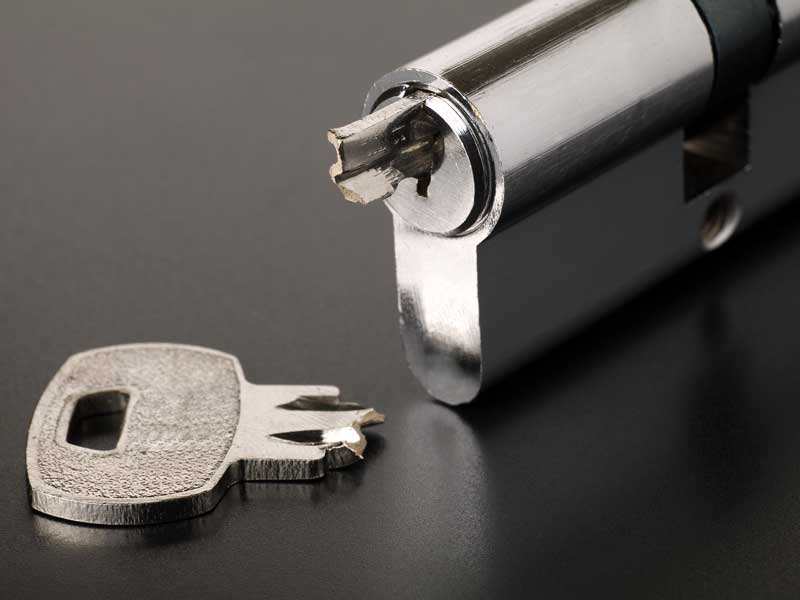
Knowing how to repair a lock cylinder can save you a stressful evening, a snapped key, or a door that suddenly refuses to lock when you are already late. The problem is that most people only think about the lock cylinder when something goes wrong. One day the key feels a little stiff, the next it will not turn at all.
That small fault can quickly become a bigger one. If the key is forced, it can snap inside the side of the lock. If the door is pushed, lifted or slammed to make the mechanism work, the fault may spread from the cylinder into the gearbox or multipoint locking system. Worse still, a worn cylinder can leave your home less secure, especially if it is an older euro cylinder lock without anti-snap protection.
This guide explains how to repair a lock cylinder safely, what you can try yourself, and when the better option is to call a professional locksmith. Some simple problems can be fixed with careful testing and lubrication, but if the cylinder is worn, jammed, misaligned or insecure, professional help is usually the safest route.
A faulty lock cylinder rarely fails without warning. Most locks give small clues first, although they are easy to ignore until the door becomes difficult to use.
The most common sign is a key that will not turn smoothly. It may catch halfway, feel gritty, or need to be jiggled before the lock moves. Sometimes the key works on one side of the lock but not the other, which is common with euro cylinder locks fitted to uPVC and composite doors. You may also notice the cylinder feels loose in the side of the door, or the key turns but the locking mechanism does not respond as expected.
A useful first test is to operate the lock with the door open. If the key turns smoothly when the door is open but struggles when the door is closed, the lock cylinder may not be the main problem. The door could be slightly dropped, the keep may be misaligned, or the multipoint locking strip may be under pressure. This is a detail many DIY guides miss. A cylinder can look faulty when the real issue is the door pressing against the mechanism.
If the key is stuck, do not pull it with pliers unless you are prepared for it to snap. In real forum discussions, homeowners often describe this exact moment: the key only moves a few millimetres, someone adds more force, then the job becomes a broken key extraction rather than a simple repair. One practical tip is to stop as soon as the key feels like it is hitting a solid stop rather than a stiff, gradual resistance. That “solid stop” can suggest the cam, pins or mechanism are jammed rather than just dry.
A lock cylinder is a precise part, but it lives a rough life. It sits on the side of the door, deals with weather, dust, key wear and daily force. Over time, the small internal pins and springs can become dirty, dry or worn. Euro cylinder locks commonly fail because dirt builds up inside the cylinder, keys become bent, or the internal pins and springs wear down.
There is also the issue of lubricant. A quick spray may free a lock for a while, but the wrong product can attract more dirt later. Some experienced DIY users recommend applying a small amount of PTFE lubricant to the key, inserting it into the cylinder, turning it gently, then wiping away excess so it does not transfer onto pockets or bags.
Another overlooked cause is cylinder fit. If the lock barrel screw is too tight, badly aligned, missing, or the cylinder is the wrong size, the lock may not sit properly in the side of the door. A euro cylinder should not stick out too far either, because that can make it more vulnerable to lock snapping. The Master Locksmiths Association advises fitting approved anti-snap locks to protect uPVC doors from this method of attack.
Before calling anyone, there are a few safe checks you can carry out.
Start with the key. Look for bends, worn edges, cracks or twisting near the bow. Try a spare key if you have one. A badly cut or worn key can make a healthy lock cylinder feel faulty, especially on older euro cylinder locks.
Next, test the lock with the door open. Turn the key gently from both sides if it is a double cylinder. If it works from one side of the lock but not the other, the cylinder may be worn internally. If it works when open but not when shut, the door or keep may need adjustment.
A small amount of suitable lock lubricant can help if the movement feels dry or gritty. Apply it sparingly, insert the key, turn it gently, remove it, then wipe the key clean. Avoid flooding the cylinder. More lubricant does not mean a better repair, and excess residue can collect dirt inside the mechanism.
Check the retaining screw on the side of the door. This screw holds the cylinder in place. If it is loose, the cylinder may shift slightly as the key turns. If it has been overtightened or fitted at an angle, it may put pressure on the cylinder body. Loosen it slightly, realign the cylinder, then retighten it carefully.
Learning how to repair a lock cylinder does not mean every cylinder should be repaired. If lubrication and alignment do not fix the issue, the cylinder may be worn beyond sensible repair. At that point, replacement is usually more reliable, and a professional locksmith can check whether the lock case, handle set or multipoint strip has also been affected.
A lock cylinder is not always worth saving. If the key keeps sticking, the cylinder feels loose, the lock works only from one side, or the key will not turn after lubrication, lock replacement is often the better long-term fix.
For a standard euro cylinder, the usual replacement process involves opening the door, removing the retaining screw from the side of the door, turning the key slightly to align the cam, sliding the cylinder out, measuring it, then fitting a new cylinder of the correct size. Competitor content also highlights an important point: cylinder sizes are not universal, and the cam can sit off-centre, so both sides must be measured correctly.
That sounds simple, and sometimes it is. The problem is that real doors are rarely textbook examples. The cylinder may be seized. The cam may not align. The key may be missing. The screw may be rounded. On uPVC doors, a cylinder fault can also hide a failing gearbox. Fitting a new cylinder without checking the rest of the mechanism can leave the door stiff again within days.
Security is another reason to involve a professional. If your current cylinder is older, protrudes from the handle, or lacks anti-snap protection, replacing like-for-like may not be enough. The best repair is not simply making the key turn again. It is restoring safe, reliable access while improving resistance to forced entry.
That is why CD Locksmith is the better option if the lock is on an external door, the key is stuck, or you are not sure what type of cylinder you have. A locksmith can identify whether the fault sits in the cylinder, the lock case, the handles or the door alignment, then repair or replace the right part instead of guessing.
Can I repair a lock cylinder myself?
Yes, if the issue is minor. A dry, dirty or slightly misaligned lock cylinder may improve with careful cleaning, lubrication and adjustment. If the cylinder is worn internally, damaged or jammed, replacement is usually the more dependable fix.
Should I drill the lock cylinder?
Drilling should be a last resort. It destroys the cylinder and can damage surrounding parts if done badly. This is also an area where homeowners need to be careful with who they hire. The Guardian has reported on locksmith scams where low advertised prices led to unnecessary drilling and very high final bills, including a case where the Master Locksmiths Association reported 66% more overcharging complaints in 2025 than in 2021. A reputable locksmith should diagnose first, not reach for a drill immediately.
What if the key is broken inside the lock?
Do not push the broken piece further in. If part of the key is visible, a locksmith may be able to extract it without replacing the whole mechanism. If it has snapped deep inside the cylinder, the safest option is to call CD Locksmith before the cylinder or door hardware is damaged further.
Are euro cylinder locks easy to replace?
They can be, but only when the door is open, the retaining screw comes out cleanly, the key still turns, and the cam can be aligned. If any of those conditions are missing, the job becomes more technical.
How do I know when to call CD Locksmith?
Call if the lock is on an external door, the key will not turn, the key is stuck, the cylinder is loose, the lock only works from one side, or you are worried about security. You can try basic checks yourself, but a professional repair reduces the risk of making the fault worse.
Learning how to repair a lock cylinder starts with understanding the fault. A stiff key may only need careful lubrication. A lock that works with the door open but not closed may point to alignment. A loose, jammed or unreliable cylinder usually needs professional attention.
The important thing is not to force it. A small lock fault can quickly become a snapped key, a damaged mechanism, or a door that will not secure properly. While there are DIY steps you can try, the best route for most homeowners is to get the lock inspected and repaired by a professional.
If your lock cylinder is sticking, damaged, loose or no longer secure, contact CD Locksmith for expert help. A proper repair can save time, prevent further damage and make sure the side of the lock and side of the door are working together as they should.
Call for immediate assistance at home or at work in Barnsley, Sheffield, Rotherham, Doncaster and across South Yorkshire.
As your local emergency locksmith we can help you with:
Locked Out
Lost Keys
Broken Keys
Faulty Locks
Replacement Locks
Door Repairs