
07881 375985
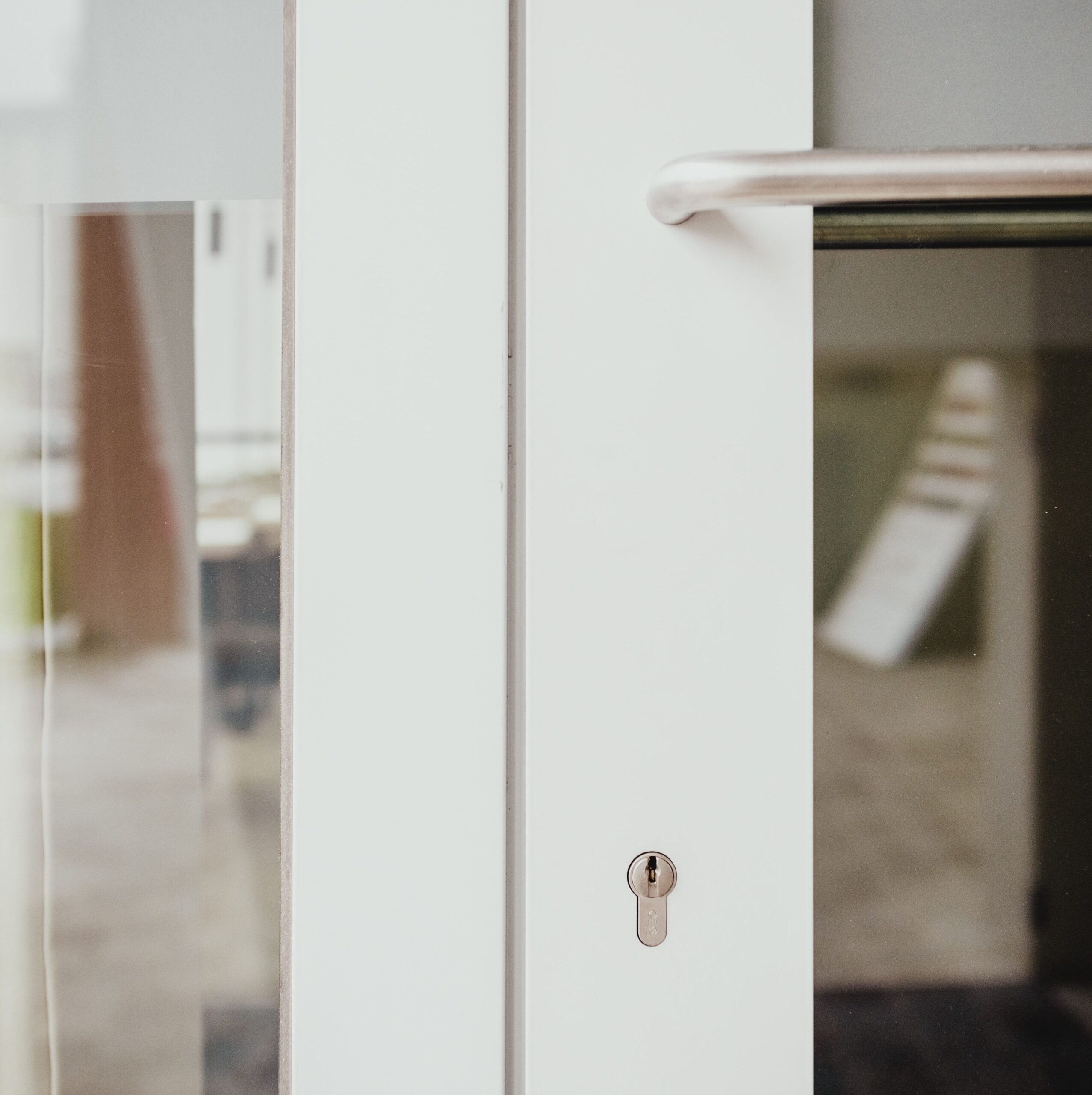
If you are searching for how to repair UPVC door handle problems, there is a good chance your door handle has started to feel loose, floppy, stiff, droopy or unreliable when you try to lock the door. It might still work if you lift it in a certain way. It might need a little shove. Or it might have reached the more worrying stage where the handle moves, but the door lock does not respond as it should.
That is the problem with a faulty uPVC door handle. It rarely fails in a neat, obvious way. Many people assume the visible handle is the issue, buy a replacement, fit it, then find the door still will not lock smoothly. The real fault may be in the spindle, screws, spring cassette, euro cylinder, gearbox, hinges or multipoint locking mechanism. In other words, the handle is often the symptom, not the whole story.
Leaving it too long can make things worse. A stiff handle can put extra pressure on the gearbox. A drooping handle can stop parts of the mechanism from returning properly. A loose handle can make the door feel insecure. If the door becomes jammed shut, the repair usually becomes more awkward and more expensive.
This guide shows you how to diagnose the problem first, make the simple repairs that are safe to try, and understand when a replacement handle or locksmith is the better option. The key point is simple: repairing a uPVC door handle properly starts with finding out what is causing the handle to fail.
A uPVC door handle can fail for several reasons, and the way it feels tells you a lot.
A handle that droops down after use usually points towards a failed return spring or worn spring cassette inside the handle. If the handle feels loose in your hand, the fixing screws may have worked loose, or the spindle may be worn. When the handle is stiff to lift, the issue may be deeper in the door lock, especially if the door only struggles when it is closed.
One quick way to narrow it down is to test the door open and closed.
Open the door fully, then lift the handle and turn the key. If everything works smoothly while the door is open, the handle and lock mechanism may be working, but the door is not lining up with the frame when closed. This often happens when a uPVC or composite door drops slightly on its hinges. It only takes a small movement for the hooks, rollers or bolts to catch against the keeps in the frame.
If the handle feels stiff even while the door is open, look at the handle, spindle, gearbox or lubrication. Do not force it. A lot of homeowners make the fault worse here by pulling harder and harder until the gearbox fails.
A useful rule is this: if the handle works open but not closed, think alignment. If it struggles open and closed, think mechanism.
Before removing anything, gather the basics. You will usually need a Phillips screwdriver, a tape measure, a door wedge and a suitable lock lubricant. If you are fitting a new handle, you may also need a hacksaw if the replacement spindle is too long, although cutting should only be done once you are sure the new part is correct.
Keep the door open while you work, unless it is already stuck shut. This gives you access to both sides and stops you from accidentally locking yourself out. Use a wedge so the door does not move while the handle is loose.
Measurements matter more than most people expect. uPVC door handles can look almost identical but have different fixing points. If you buy the wrong one, the screws will not line up, the spindle may sit badly, or the backplate may fail to cover the marks left by the old handle.
Use a tape measure to check:
Do not guess these measurements from a product photo. Many uPVC and composite door handles share a similar style, but small differences can stop the new handle from fitting cleanly.
There is also a security point worth knowing. Some replacement handles are security-rated, and higher-security setups often combine a strengthened handle with a suitable euro cylinder. That matters if the existing handle is old, damaged or fitted to a front door. A cheap handle may solve the wobble, but it may not improve the security of the door.
Start with the least invasive fix. With the door open, check the screws on the inside handle plate. If they are loose, tighten them gently and test the handle again.
Gently is the important word. Screws that are too tight can pinch the backplate against the lock case, making the handle stiff or stopping it from springing back. If you have recently tightened the handle and the problem has become worse, loosen the screws a quarter turn and test again. This small adjustment is one of those practical fixes that sounds too simple, but it can save you from replacing parts unnecessarily.
If the handle still feels floppy, remove it and inspect the spindle. The spindle is the square metal bar that passes through the door and connects both sides of the handle. A worn spindle can round off over time, which means the handle turns but does not transfer movement properly. If it looks damaged, too short or badly worn, replace it.
Next, test the handle while it is off the door. Hold the backplate and press the lever down. Does it spring back firmly? If it hangs down or feels limp, the spring cassette inside the handle has probably failed. Sometimes spring cassettes can be replaced, but for many homeowners it is more practical to replace the full handle set, especially if the handle is old or a matching spring is difficult to find.
Lubrication can help if the handle binds or feels dry, but use it carefully. Apply a small amount to moving metal parts, then work the handle several times. Avoid spraying random products heavily into the lock or cylinder. Too much lubricant can attract dirt, and the wrong product can leave residue.
Here is the repair order to follow:
If the handle still droops after this, the handle spring is likely worn or broken. If the handle feels heavy, crunchy or resistant, the problem may be in the gearbox or multipoint mechanism rather than the handle itself.
Sometimes repair is not worth chasing. If the handle is cracked, the spring has failed, the spindle is worn, or the backplate is damaged, replacing the handle set is usually the cleanest fix.
First, measure the old handle carefully. Do this before you remove it if possible. Once you have the correct replacement, open the door and secure it. Remove any screw caps, then unscrew the fixing screws from the inside plate. Hold both sides of the handle as you remove the last screw, because the outside handle can fall away.
Pull the inside and outside handles apart. The spindle may come out with one side, or it may stay in the lock case. Fit the new spindle, then position the outside handle first. Slide the inside handle onto the spindle and align the screw holes. Tighten the screws evenly, but do not overtighten them.
Before you close the door, test everything while it is open. Push the handle down to release the latch. Lift it to engage the multipoint lock. Turn the key. The movement should feel smooth and consistent.
Then close the door and repeat the test. If the handle works perfectly when open but becomes stiff when closed, do not blame the new handle straight away. The door may be misaligned, the keeps may need adjustment, or the locking points may be catching the frame.
A useful tip from real-life DIY experience is to pay attention to the bottom locking point. If a floppy handle has stopped parts of the mechanism from returning properly, the door may scrape or resist closing. That can look like a handle issue, but it is really the lock strip or alignment reacting badly.
If the new handle has not fixed the issue, the problem is probably not the handle.
A uPVC door lock uses several connected parts. When you lift the handle, the gearbox drives hooks, rollers or bolts into the frame. Turning the key then secures the mechanism. If one part is under strain, the whole system can feel wrong.
If the handle will not lift, check whether the door works while open. If it does, look for door drop, hinge movement or keeps that no longer line up. If it does not, the gearbox may be worn or failing.
If the key will not turn, do not force it. The euro cylinder may be under pressure because the handle has not fully lifted, or the lock may be misaligned. Forcing the key can snap it inside the cylinder.
If the handle moves but the door will not open, stop taking parts off unless you know what you are doing. A shut uPVC or composite door with a failed mechanism can be tricky to open without damage. This is where a locksmith is often the cheaper option compared with damaging the door, frame or lock strip.
Call a locksmith if:
There is a subtle point here. DIY guides often make handle replacement sound like a five-minute job, and sometimes it is. But a stiff handle is not always a handle problem. Replacing parts without checking alignment can hide the real issue for a few weeks, then the same fault returns.
Repairing a uPVC door handle is not just about tightening a screw or fitting a new part. The best fix starts with a simple diagnosis. A loose handle may only need careful tightening. A floppy or drooping handle often points to a failed spring or worn spindle. A stiff handle may be warning you that the door lock, gearbox or alignment is under strain.
Work with the door open first, measure properly with a tape measure before buying a replacement, and avoid forcing the handle or key. If the door behaves differently when open and closed, the frame alignment may be the real problem.
If your uPVC door handle is loose, stiff, floppy or no longer operating the lock properly, it is worth sorting it before the door jams or becomes difficult to secure. For simple faults, the steps above may be enough. For jammed doors, failed gearboxes or unreliable locks, a qualified locksmith can identify the cause and repair the door safely.
Call for immediate assistance at home or at work in Barnsley, Sheffield, Rotherham, Doncaster and across South Yorkshire.
As your local emergency locksmith we can help you with:
Locked Out
Lost Keys
Broken Keys
Faulty Locks
Replacement Locks
Door Repairs