
07881 375985
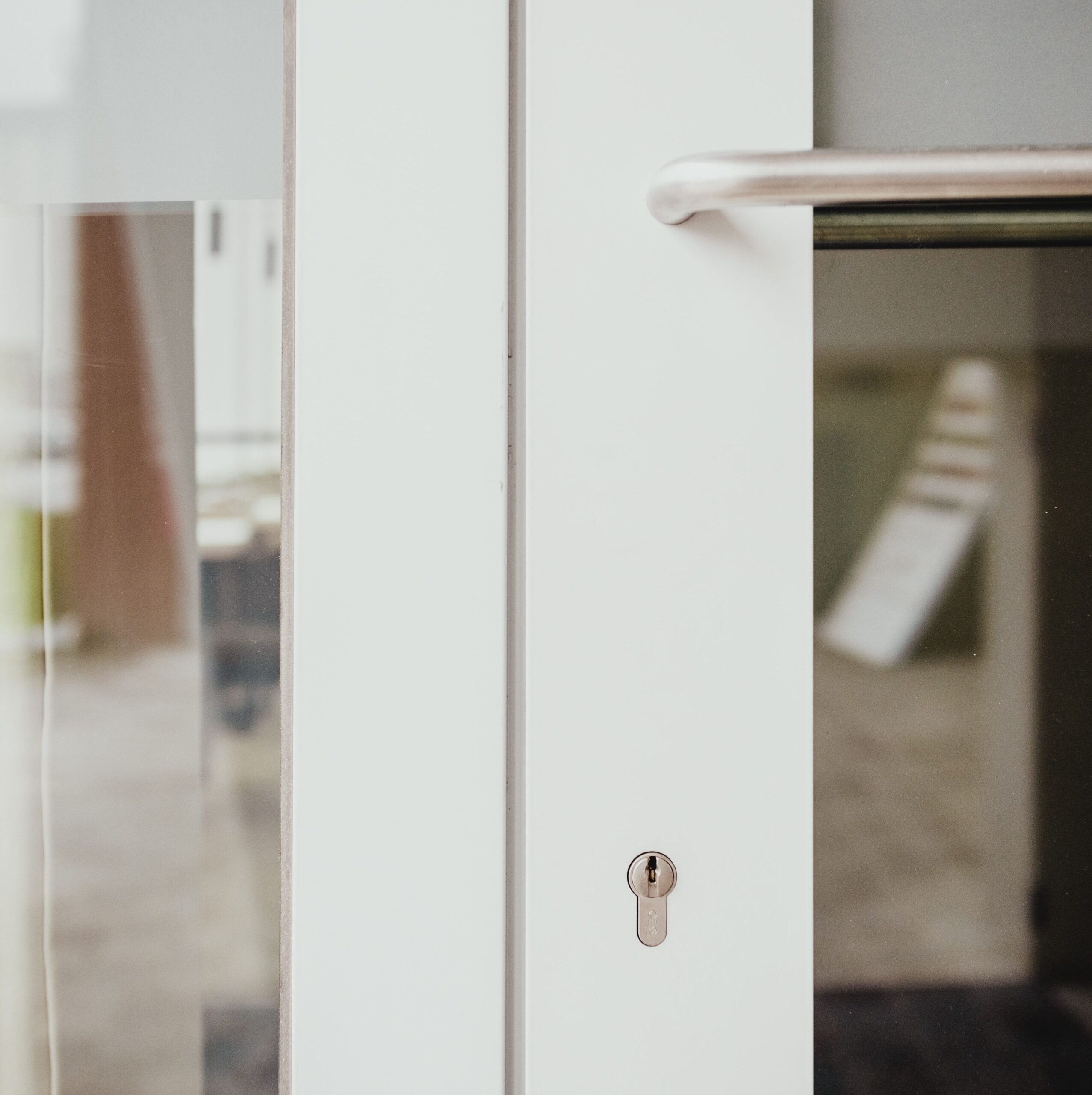
Keeping your home safe starts with securing the entry points, and for many households, that means making sure UPVC doors are as strong as possible. UPVC doors are popular across the UK because they are durable, energy-efficient, and low-maintenance. But even though they look solid, UPVC doors can have weak spots that burglars know how to target.
Knowing where these weak points are and what can be done to fix them is essential. This guide explains how uPVC door security works, where the risks lie, which upgrades are worth making, and how to build a security plan that will make your doors much harder to break into.
UPVC (unplasticised polyvinyl chloride) doors are a common choice for homes because they are weather-resistant, insulated and available in many styles. They also tend to last a long time with little maintenance.
However, the locking system is often the weak point. Burglars know that certain types of locks, especially older ones, can be forced open quickly. Some methods take less than 10 seconds, making them a favourite for break-ins.
This is why it’s important to understand the risks and take steps to strengthen the door’s most vulnerable parts.
Even a high-quality uPVC door can be broken into if the lock, hinges or fittings are not up to standard. The main risks are:
This is when a burglar breaks the cylinder lock to get to the internal mechanism. Older euro cylinders often stick out slightly, giving intruders something to grip and snap.
Bumping is when a special key is used to force the lock pins into place. Drilling simply destroys the pins, allowing the lock to open.
Over time, the door frame or locking points can shift. This can leave gaps that make it easier to force the door open.
Burglars can fish keys out through the letterbox if keys are left near the door.
Exposed or poorly fitted hinges can be attacked, allowing the door to be lifted or forced open.
Understanding these weak points makes it easier to choose the right upgrades.
When buying locks or other security products, check if they meet recognised UK standards. These tell you the product has been tested for real-world protection.
These locks are designed to stop lock snapping by breaking in a controlled way that keeps the mechanism safe. For the best protection, choose TS007 3-Star or SS 312 Diamond-rated locks.
These cover and strengthen the lock area, making it harder for burglars to grip or snap the cylinder. A TS007 2-Star handle with a 3-Star cylinder offers strong combined protection.
These are simple devices that hold the door closed, even if the main lock is bypassed. They can be non-locking for inside use only, or key-operated for extra security.
A letterbox guard or cage stops burglars from reaching in with tools. Choose one tested to TS008 for proven strength.
These allow you to open the door slightly without giving full access. TS003-rated products are tested to resist force.
Hinge bolts (also called dog bolts) help stop the door from being lifted off its hinges.
Using more than one of these upgrades together makes it much harder for someone to force entry.
Even the best security products won’t work properly if they are poorly fitted. Make sure locks are the right size for your door; if they stick out too far, they are easier to snap.
Hinges should be fixed with long, strong screws to hold them firmly in place. For most people, professional fitting is the safest option, but some simpler upgrades can be done yourself if you follow proper instructions.
One single lock or gadget is not enough. A layered approach uses several measures together, so if one is bypassed, others still protect you.
For example, pairing an anti-snap lock with a sash jammer and hinge bolts forces a burglar to use more tools, make more noise, and take more time, which often makes them give up.
Security needs regular checks. Over time, locks can loosen, parts can wear, and hinges can shift. A quick inspection every few months can spot problems early. Lubricating moving parts helps them work smoothly for longer.
It’s also worth reviewing your security if you’ve moved into a new home, if crime levels rise locally, or if better products become available.
Upgrading uPVC door security does cost money, but the price is small compared to what a burglary can cost. The Office for National Statistics reports that the average value of stolen goods in a home burglary is over £2,800, with repair costs adding another £846. Investing in quality security can save much more than it costs.
Strong hardware works best when paired with good habits:
Good uPVC door security is one of the best ways to keep your home safe. By understanding the risks, choosing products with proven security ratings, and combining different measures, you can make your door much harder to break into.
An anti-snap lock, reinforced fittings, and a few small daily habits can be enough to deter most burglars. While no door can be made completely unbreakable, the right upgrades make a successful break-in far less likely, and that’s a level of protection worth having.
Call for immediate assistance at home or at work in Barnsley, Sheffield, Rotherham, Doncaster and across South Yorkshire.
As your local emergency locksmith we can help you with:
Locked Out
Lost Keys
Broken Keys
Faulty Locks
Replacement Locks
Door Repairs