
07881 375985
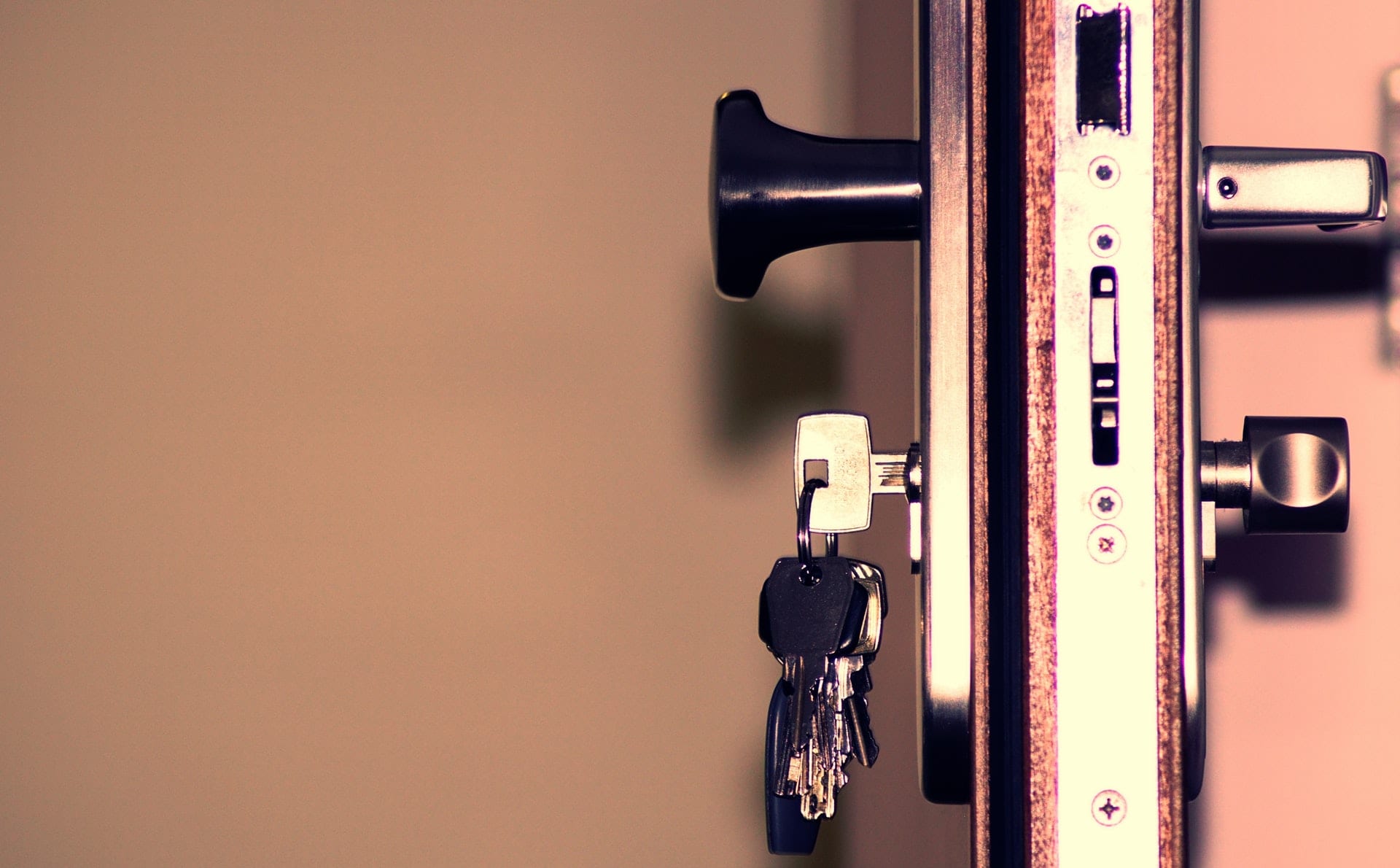
Realising you’ve locked yourself out of your house can be a distressing moment. Whether you’ve stepped outside for a moment and the door shut behind you, misplaced your keys, or returned home after a long day to find yourself locked out, the situation often leads to the same question: What should I do if I lock myself out of my home? It’s a moment that brings frustration and anxiety, but the good news is that there are safe, sensible steps you can take to regain access. With a few preventative measures in place, you can also reduce the chances of it happening again.
This guide explains what to do immediately after discovering you’re locked out, how to decide when to call a locksmith, and how to avoid being stuck outside in the future. It’s designed to be informative and practical, helping you stay calm and take the right actions while maintaining your safety and your property’s security.
The first and most important step is not to panic. Many people’s initial reaction is to rush into finding a quick way to unlock the door or attempt risky methods to force their way inside. Taking a few moments to think clearly will help you make better decisions. Begin by checking your surroundings carefully. Search your pockets, bag, coat, or even your car for your keys. Sometimes they are simply misplaced or fall into unexpected places.
Once you’re certain you don’t have them, assess whether you have a way to regain access without professional help. This includes checking whether anyone else might have spare keys and whether there are open windows or doors around the property.
If you live with others, contact a housemate, landlord, or family member to see if they have a spare set. If you’ve previously given a set to a neighbour or friend, now is the time to give them a call. Many people choose to leave spare keys with someone they trust precisely for this kind of emergency. Even if it takes a little while for them to arrive, it’s often the easiest and safest solution.
If you live in rented accommodation, your landlord or building manager may hold a spare key. Most landlords keep a master set for maintenance or emergencies, so getting in touch with them could resolve the issue quickly.
If spare keys aren’t an option, the next step is to check around the property for another way in. Walk around your home carefully and look for any unlocked windows or doors. Sometimes a back door, side gate, or garage access point might not have been fully secured. However, proceed with caution and always prioritise safety. Never attempt to climb through high or narrow windows, as the risk of injury is far greater than the inconvenience of waiting for help.
If a ground floor window happens to be unlocked and can be opened safely, it may provide a solution. Open windows fully before attempting to climb through to prevent getting stuck or damaging the frame. Always make sure the space on the other side is clear before entering.
In moments of frustration, people often try creative ways to get the door open, but many of these methods cause unnecessary damage or personal harm. Trying to pick the lock with makeshift tools like hairpins or screwdrivers can break internal mechanisms and make the repair far more expensive. Attempting to use a credit card to slide between the latch and the door frame only works on certain types of old spring bolts, and even then, it can ruin the card and bend the latch.
Forcing a door open by kicking or prying it is rarely successful. Modern doors are designed to resist that kind of force, and the damage caused will almost always exceed the cost of a professional locksmith. Similarly, breaking a window might seem like a shortcut, but it exposes your property to potential security issues. Waiting for assistance from a trained professional is always the safest and most cost-effective choice.
If no safe entry option is available, the next step is to call a locksmith. A qualified locksmith can unlock your door using specialist tools and precise techniques designed to prevent unnecessary damage. They’re trained to work with every type of domestic lock, from mortice and euro cylinders to modern multipoint and smart locking systems. This level of skill is particularly useful when dealing with high-security doors or intricate locking mechanisms that aren’t suited to DIY methods.
Emergency locksmiths are available around the clock, providing peace of mind no matter when the problem occurs. Most can reach you promptly and have the door open within a short time. Unlike improvised attempts to pick the lock or use a credit card, a locksmith’s approach is controlled, efficient and far safer for both you and your property.
Once access has been regained, a locksmith can check that the lock itself hasn’t been weakened or damaged. They can advise whether it needs servicing, repairing, or replacing, and suggest upgrades such as fitting a smart lock if you want to reduce the risk of being locked out again. A professional’s insight can also highlight vulnerabilities you may not have noticed, like worn keys, stiff mechanisms, or misaligned frames that make doors more likely to jam.
Losing your keys adds an extra layer of concern, as it raises the question of security. After you’ve called a locksmith to help you get inside, it’s sensible to have the locks changed or rekeyed, especially if you’re unsure where your keys went. This ensures that if someone finds or steals them, they can’t gain access to your home.
Before assuming they’re gone for good, check every possible location where they might be. Look through your car, bag, jacket pockets, or even near the front door in case you dropped them as you were leaving. If you live with others, ask them to look around as well. Sometimes keys turn up in the most unexpected places.
If they remain missing, ask your locksmith about options to improve security. Many homeowners are now switching to electronic or keyless systems, such as a smart lock, which allows you to enter using a code or smartphone app. This kind of upgrade eliminates the risk of losing physical keys altogether.
Sometimes, you may not be locked out because you’ve lost your keys but because they’ve snapped inside the lock. This situation can be equally frustrating. It’s best not to force the remaining piece further into the lock, as this can make removal more difficult. You can try to remove it using tweezers or a small tool. However, if the fragment is deep inside the mechanism or there’s resistance, stop immediately and call a locksmith. Professionals use specialist extraction tools that can remove the broken piece without damaging the cylinder.
Once the issue is resolved, consider having the lock replaced or rekeyed. Broken keys often indicate wear and tear in either the key or the lock itself. Replacing the set reduces the risk of it happening again.
Being locked out at night can feel far more stressful, particularly if you’re alone or the weather is bad. In this case, focus on staying safe and warm while you wait for assistance. Try contacting a friend or family member who may have a spare key or be willing to offer you a place to wait indoors. If that isn’t possible, call a locksmith with a 24-hour emergency service. They are equipped to handle out-of-hours calls and can unlock your door quickly while keeping your property secure.
Avoid trying to climb through windows in darkness, as visibility is low and the chance of injury increases significantly. Likewise, forcing entry at night may alarm neighbours or draw unwanted attention. A professional locksmith will arrive with identification and proper tools to handle the situation calmly and efficiently.
Once you’re back indoors, take a moment to think about what caused the lockout in the first place. In most cases, it comes down to distraction, habit, or rushing out of the door. A few small adjustments to your daily routine can make it far less likely to happen again.
It helps to have one reliable spot for your keys. Whether that’s a dish on the hallway table or a hook by the door, the aim is to make it second nature to leave them there. Some people even place a note on the inside of the front door as a quick reminder before heading out.
If you have a neighbour or friend you trust, keeping a spare key with them can save you a great deal of trouble. Another option is a wall-mounted lockbox with a secure code. Unlike hiding keys under doormats or plant pots, which can be risky, a coded lockbox keeps them accessible without compromising safety.
Technology offers other ways to avoid the problem altogether. A smart lock, for example, removes the need for a physical key. You can unlock your door using a code, fingerprint, or mobile app. Many models also let you manage access remotely, so if a family member forgets their keys, you can open the door from wherever you are. They’re more of an investment than a traditional lock, but they add real peace of mind.
Simple maintenance also goes a long way. Locks and keys wear down gradually, often without you noticing. A quick spray of lubricant every so often keeps the mechanism smooth, while replacing bent or worn keys prevents them from snapping at awkward moments. Looking after your locks now can save you the inconvenience of another unexpected lockout later on.
After a lockout, it’s wise to evaluate whether your current locks meet modern standards. Old or poorly maintained locks are more prone to sticking, snapping keys, or leaving you stranded outside. Upgrading to a high-quality cylinder or multipoint locking system adds protection and reliability. Many homeowners also choose to install a smart lock for added convenience and control. With keyless access, you can unlock your door remotely, set timed access for family members, and reduce the risk of being caught out again.
Locksmiths can advise on which lock type best suits your property and budget. While replacement may not be necessary after every incident, upgrading when your locks start showing wear will prevent future inconvenience.
Being locked out of your house is a common experience, and it happens to everyone at some point. The key to handling it well is remaining calm, acting safely, and knowing when to call for professional help. Emergency locksmiths provide a fast and secure way to regain access without damaging your locks, saving you stress and expense. After resolving the immediate problem, take a moment to plan for the future. Whether through simple habits, spare keys, or smart technology, a little preparation goes a long way toward preventing another lockout.
Call for immediate assistance at home or at work in Barnsley, Sheffield, Rotherham, Doncaster and across South Yorkshire.
As your local emergency locksmith we can help you with:
Locked Out
Lost Keys
Broken Keys
Faulty Locks
Replacement Locks
Door Repairs