
07881 375985
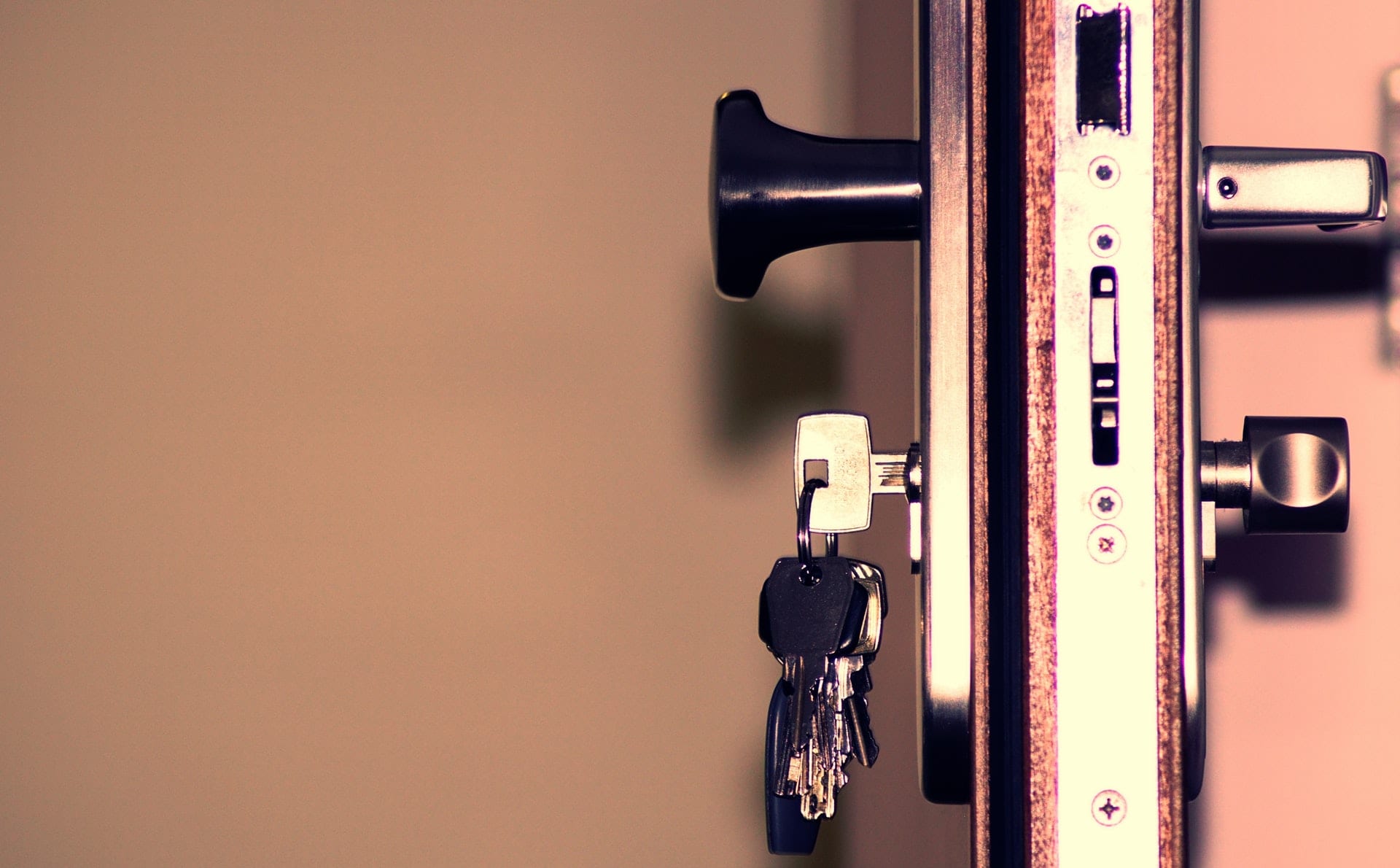
Locks are one of the most important features in any home, yet most people only think about them when something goes wrong. A stiff handle, a door that will not latch, or a key that suddenly stops turning can cause real frustration, not to mention a risk to security. What to do when your door lock starts failing is something every homeowner should understand. When these issues appear, the question is always the same: should you attempt a quick lock repair, or is it time to replace the lock entirely? Understanding the signs of a failing lock, the common causes of trouble, and the difference between repairable and replacement cases will help you make the right decision.
Door lock problems rarely appear overnight. More often, they develop gradually, with small warning signs that many people ignore. A lock that feels stiff when you turn the key, a latch that doesn’t align properly, or a handle that begins to droop are all indicators that something is wrong. In some cases, a key that does not insert smoothly is the first clue.
Another common issue is when the door will not lock unless pushed firmly against the frame. This usually points to misalignment, which often develops in wooden doors affected by seasonal changes. A UPVC door, on the other hand, may struggle to lock properly if the internal mechanism has worn or slipped out of place.
Spotting these early signs is vital. The longer you continue to use a failing lock, the more damage can be caused to both the lock mechanism and the door frame.
There are several reasons why locks begin to fail, and understanding these causes can help you decide whether lock repair is possible.
One of the most frequent causes is misalignment between the lock bolt and the strike plate. Over time, doors can drop on their hinges or frames can shift, leaving the locking points out of line. This is particularly true for UPVC doors, which often rely on multi-point locking systems that require perfect alignment to work correctly.
Keys themselves are another source of trouble. A key that has been copied many times can wear down, leaving it unable to engage the internal pins properly. A broken key lodged in the lock is an even bigger problem, often leaving the mechanism unusable until the fragment is removed.
Dirt, dust, and general debris can also affect the smooth operation of a lock. Moisture entering the lock may cause rust in colder weather, while swelling wood in summer can create added pressure on the mechanism. In some cases, internal components simply wear out through years of use, especially springs and small moving parts.
Damage to the surrounding frame or strike plate is another cause. This can happen if a door has been forced, slammed too often, or subjected to an attempted break-in. Even small cracks or bends in metal strike plates can prevent the lock from working as it should.
Not every failing lock needs to be replaced immediately. There are several cases where lock repair is a practical and safe option.
Minor misalignment can often be resolved by adjusting hinges or slightly repositioning the strike plate. This can restore the correct fit without needing to change the lock itself.
If the lock feels sticky or stiff, lubrication may help. However, it is important to use the correct type of lubricant. Graphite powder or silicone spray is recommended, as household oils often attract dirt and can make the problem worse over time.
When the issue lies with a worn or poorly cut key, replacing the key is usually enough to solve the problem. If you still have an original factory-cut key, using that instead of a copy may also improve performance.
Loose knobs, handles, or screws can often be tightened to restore functionality. In some cases, simply securing the cylinder more firmly inside the door will stop it from turning incorrectly.
These small repairs can often extend the life of your lock and save you the cost of immediate replacement.
Unfortunately, there are times when replacing a lock is the only sensible option. Repeated failure after attempted repairs is usually a sign that the mechanism has reached the end of its life.
A broken key lodged deep within the cylinder is a common example. While fragments can sometimes be removed, the stress placed on the lock may already have caused lasting damage. If the cylinder itself begins to turn when you insert the key, it is also a clear indication that replacement is necessary.
Multi-point locks fitted to UPVC doors can be especially vulnerable. If one component fails, the whole system becomes unreliable. In these cases, replacement is often faster and more cost-effective than attempting a piecemeal repair.
Visible damage to the lock body, strike plate, or surrounding frame is another situation where replacement is safer. Even if the lock can be forced to work, the compromised structure leaves the door insecure.
Finally, if your lock is old and no longer meets modern security standards, replacement is a chance to upgrade. Insurance-approved locks and newer designs provide greater protection against forced entry, making them a wise investment.
One of the biggest risks of ignoring a failing lock is the impact on home security. A door that will not lock properly is a clear target for intruders, while a weak or damaged strike plate can fail even if the lock appears to be engaged.
Delaying repair or replacement not only increases the likelihood of being locked out but also leaves your property vulnerable. Addressing the issue quickly ensures your door remains both functional and secure.
Some small problems, such as lubricating a stiff mechanism or tightening a handle, can be tackled safely without specialist tools. However, forcing a lock to turn or using the wrong products often causes more damage.
Lock repair becomes far more complex when dealing with multi-point systems, worn cylinders, or broken keys. Professional locksmiths have the equipment to extract broken key fragments, realign UPVC door mechanisms, and replace parts without damaging the surrounding frame. In many cases, this saves money in the long term by avoiding repeated failed attempts at repair.
When faced with a failing lock, the choice between repair and replacement depends on the cause of the problem. Small issues such as misalignment, loose screws, or sticky mechanisms can often be resolved with careful lock repair. More serious faults, including a broken key, damaged cylinders, or unreliable multi-point systems, usually require replacement.
The most important step is to act quickly. Leaving door lock problems unresolved not only increases frustration but also puts your property at risk. By recognising the warning signs, understanding the common causes, and knowing when repair is no longer enough, you can make the right decision to keep your home secure.
Call for immediate assistance at home or at work in Barnsley, Sheffield, Rotherham, Doncaster and across South Yorkshire.
As your local emergency locksmith we can help you with:
Locked Out
Lost Keys
Broken Keys
Faulty Locks
Replacement Locks
Door Repairs