
07881 375985
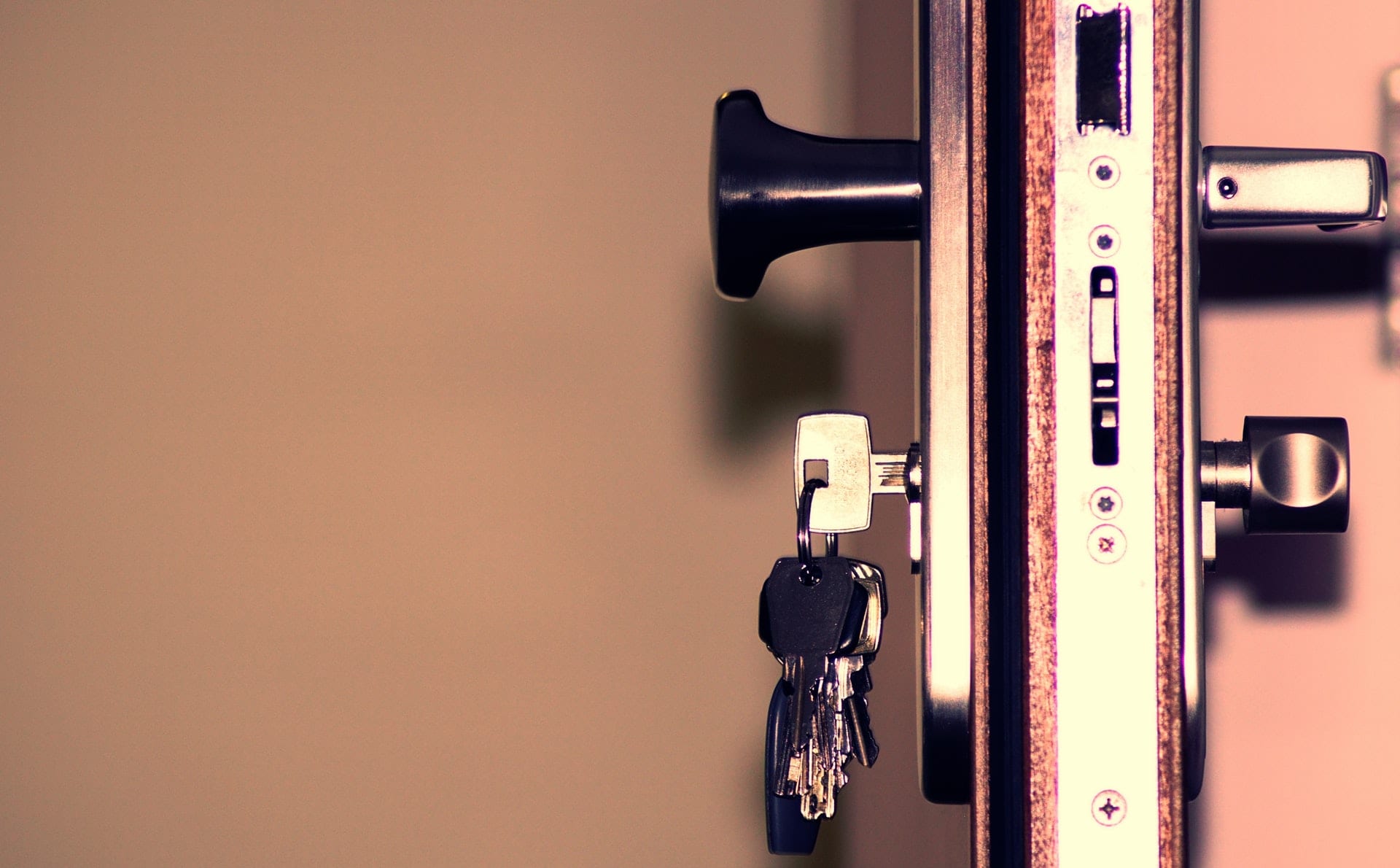
Few things are more frustrating than discovering your key is stuck in the lock just as you’re leaving the house or arriving home. It’s a situation that catches many off guard, leading to panic, delay, and occasionally damaged locks or broken keys. But whether the key refuses to turn, is half-turned, or won’t come out entirely, there are practical steps you can take to resolve the issue.
At CD Locksmith, we understand how disruptive these moments can be. That’s why we’ve put together this detailed guide—offering advice, insight, and professional solutions to help you regain control without causing harm to the lock mechanism or worsening the problem.
When a key becomes stuck in a lock, the cause is often mechanical, material-related, or down to environmental factors. Understanding the root of the issue can make it easier to determine whether it’s something you can fix yourself or if it’s time to seek professional help.
One of the most common culprits is a worn or poorly cut key. Over time, the teeth of a key may degrade or bend slightly, especially if it has been used repeatedly or duplicated from an already worn copy. Even the slightest variation can result in a poor fit with the internal pins of the lock.
Dirt and debris within the lock cylinder can also contribute significantly to key jamming. Tiny particles of dust, rust, or grime build up over time, clogging the internal components. This leads to stiffness, resistance when trying to turn the key, or difficulty inserting or removing it.
Another factor is misalignment of the lock mechanism itself. This issue is particularly common in UPVC doors or older wooden doors that have shifted over time. Misalignment prevents the key from smoothly engaging with the pins and turning the mechanism effectively.
Using the wrong key—or forcing one that’s not a perfect match—can also cause internal damage or make it far more likely that the key will become stuck. In some cases, lock jamming occurs due to a combination of these factors, and the key becomes lodged in a half-turned position.
When faced with a stuck key, your first instinct might be to pull or twist it harder. Resist that temptation. Applying force could damage the lock or snap the key entirely, turning a minor inconvenience into a costly emergency.
Begin by checking whether you’re using the correct key. It may seem obvious, but in a moment of distraction, it’s easy to use a similar-looking key from the same ring.
Once confirmed, observe the key and the lock. Is it partially turned? Does it move slightly when you attempt to operate it? Is there visible dirt or resistance?
Remain calm and avoid excessive pressure. Your goal is to gently ease the key free, not worsen the problem.
A tried-and-tested method is to gently wiggle the key. Hold it lightly and move it side to side or up and down, applying only minimal pressure as you attempt to turn the key. This movement can help realign internal pins that may have become caught or misaligned.
It’s crucial that you don’t twist too forcefully. The metal could snap, leaving a portion lodged inside the cylinder—a much more complex key extraction task.
If you’re still stuck, the next logical step is lubricating the lock. Use a dry graphite-based lubricant or a silicone spray designed for locks. These help reduce friction inside the lock without attracting excessive dust.
Spray a small amount directly into the keyway, then insert and remove the key a few times gently. This helps spread the lubricant along the pins and tumblers. Be sure not to over-apply—too much can create residue that contributes to further blockages over time.
WD-40 is sometimes used in emergencies, but it’s not ideal as a long-term solution. While it may temporarily ease movement, it’s an oil-based product that attracts dust, which can accelerate internal wear.
When handling a stuck key, it’s just as important to avoid harmful actions as it is to try the right ones.
If the object is lodged due to a fault in the lock rather than debris or user error, excessive effort may worsen internal damage or render the lock completely unusable.
A key turning issue, especially when the key is stuck in a half-turned position, can indicate a deeper mechanical fault. This situation is more complex than a basic stuck key and requires a careful approach.
First, avoid twisting. Instead, try gently moving it back to its original upright position. If the lock is engaged, apply slight backward pressure in the direction opposite to how you would normally unlock it. In some cases, this can help disengage jammed pins and allow the mechanism to release.
Lubrication may still help at this stage, as it can loosen the internal friction points. But if movement continues to resist, or if the cylinder feels loose or gritty, it’s best to call a locksmith before the situation worsens.
A broken key presents a new level of difficulty. Once part of it is inside the lock, the remaining fragment blocks any new key from being inserted and makes stuck key extraction more complex.
If enough of the shaft is visible, use needle-nose pliers or specialist tweezers to grip the exposed portion. Pull straight out without twisting. Avoid pushing it further in, as this will only worsen the issue.
Some DIY enthusiasts use key extractors or jigsaw blades to remove broken pieces. While this can work, it’s not recommended unless you have a steady hand and knowledge of lock internals.
If the shard is entirely inside the lock with no exposed end, or if you’re unsure how to proceed, seek professional assistance to avoid damaging the internal mechanism.
If you’ve tried the above techniques without success—or if the situation involves a broken key, half-turned key, or a jammed lock mechanism—it’s time to stop and call a locksmith.
At CD Locksmith, we specialise in fast, non-destructive key extraction and lock repairs. Whether you’re locked out at home, facing an urgent issue at your business, or dealing with a jammed UPVC or Yale lock, we have the tools and experience to resolve the issue quickly and safely.
We also offer 24/7 emergency services, so you’re never left waiting at inconvenient hours. Sometimes, attempting to force the issue does more harm than good. A professional locksmith can save you time, stress, and the cost of unnecessary repairs.
While not all stuck key scenarios are avoidable, there are practical steps you can take to avoid future problems.
Ensure that your keys are clean, undamaged, and correctly cut. If you notice wear or if a copy no longer fits smoothly, it’s worth having a new one made.
Regularly inspect your locks for signs of wear or misalignment. Doors that stick, lock cylinders that feel loose, or handles that require unusual pressure are early warning signs. Crucially, regular maintenance of your locks can help prevent issues before they arise. This includes:
If you’ve experienced repeated key-turning issues, don’t wait for a total failure. Contact a locksmith to assess the lock’s condition and prevent escalation.
A key stuck in the lock can be an unnerving experience, but it doesn’t have to result in broken doors or costly repairs. By following the steps outlined above, you can often resolve the issue safely and restore access to your property without permanent damage.
But when DIY techniques fail—or if you’re ever in doubt—it’s always best to seek professional help. At CD Locksmith, we’re here to provide expert advice, rapid response times, and peace of mind whenever your locks let you down.
Let us take the stress out of key extraction, lock servicing, and door realignment. With experience across residential, commercial, and UPVC systems, we’re equipped to get the job done efficiently and without fuss.
If you’re dealing with a stuck key, don’t wait. Call a locksmith today and let us help you restore your security without delay.
Call for immediate assistance at home or at work in Barnsley, Sheffield, Rotherham, Doncaster and across South Yorkshire.
As your local emergency locksmith we can help you with:
Locked Out
Lost Keys
Broken Keys
Faulty Locks
Replacement Locks
Door Repairs