
07881 375985
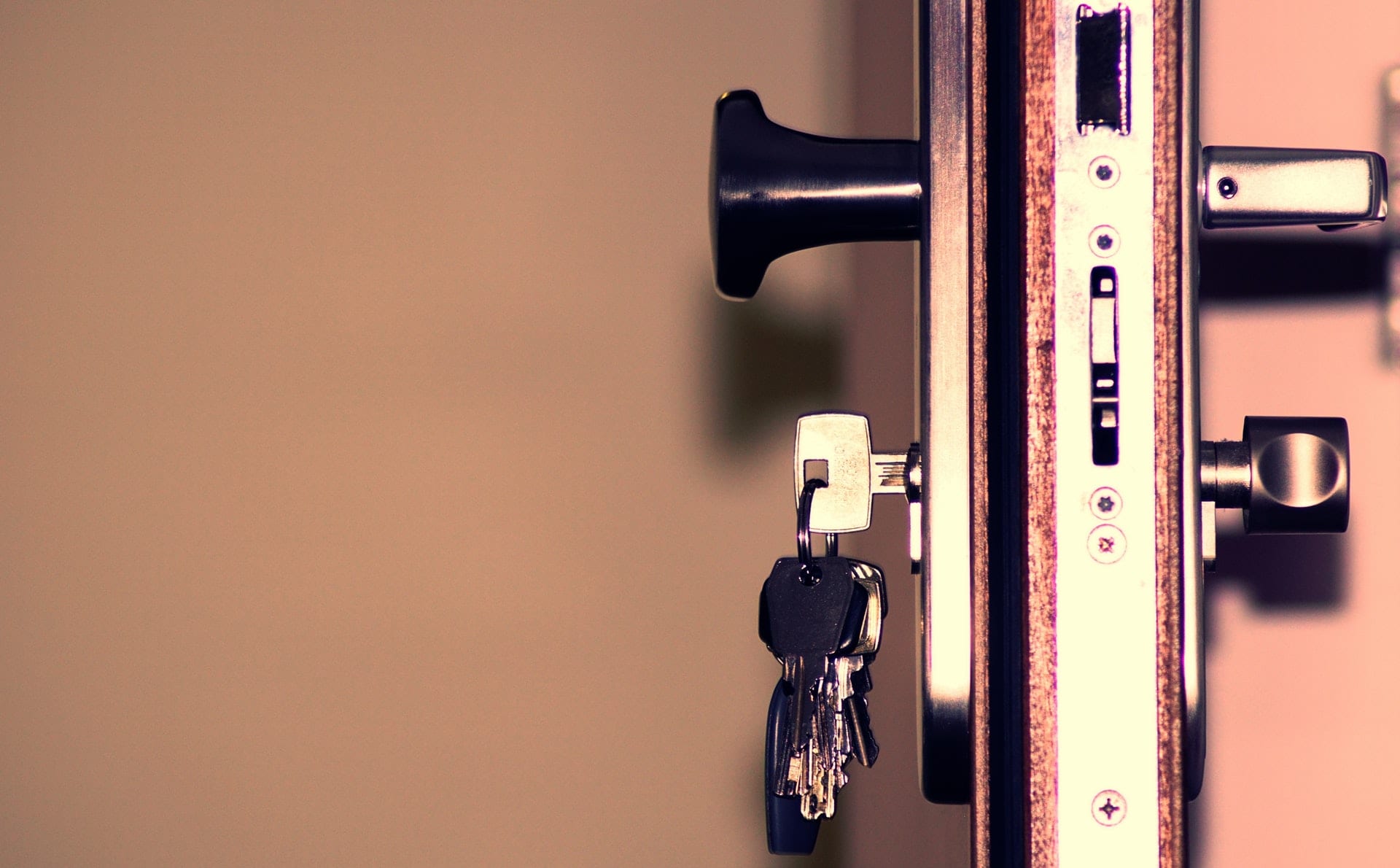
If you are asking “why is my door lock not working?”, the cause is usually one of a few common issues: a worn key, faulty lock cylinder, dropped door, stiff locking mechanism, misaligned door frame, or weather-related movement. The frustrating part is that these problems often feel the same when you are standing at the door trying to lock or unlock it.
The real risk is making things worse. Forcing the key, lifting the handle too hard, or repeatedly pushing the door can snap the key, damage the lock cylinder, or break the internal mechanism. What starts as a stiff lock can quickly become a door that will not secure at all.
This guide explains the most common door lock problems, what you can safely check, and when to call a professional locksmith. The goal is simple: help you understand the issue before a small fault becomes an expensive emergency.
Keys wear down over time, especially if they are used every day. A copied key can also cause problems if it has been cut from an older copy rather than the original. You may notice the key won’t turn unless you wiggle it, pull it out slightly, or lift the handle at the same time.
Try a spare key first. If the spare works smoothly, the original key is likely worn, bent, or poorly cut. If every key feels stiff, the issue may be inside the lock cylinder.
Avoid forcing the key. A stiff key is often a warning sign, and too much pressure can leave you with a broken key stuck in the lock.
Locks collect dust, grit, moisture, and general debris over time. This is especially common on an external front door, garage, gate, or back door exposed to the weather.
If the lock feels gritty or rough, careful maintenance may help. Use a lock-safe lubricant such as graphite powder, silicone spray, or a suitable dry lubricant. Apply a small amount, then gently insert and remove the key a few times.
Be careful with oily products. They can give short-term relief but may attract more dirt later. Lubricating the lock helps when the issue is minor friction, but it will not fix a faulty gearbox, dropped door, or damaged locking system.
A very useful test is to try the lock in the open position. If the key turns and the handle lifts smoothly while the door is open, but the lock struggles when the door is closed, the problem is likely alignment.
This means the lock may be working, but the bolt, latch, hooks, or locking points are not lining up with the door frame. The door may have dropped slightly, the hinges may be loose, or the strike plate may have moved.
You might need to push, pull, or lift the door to make it lock. That is a sign the mechanism is under pressure. Sometimes a locksmith can adjust the strike plate, hinges, or keeps rather than replace the full lock.
Weather can affect both locks and doors. In cold weather, moisture inside the cylinder can freeze, making the key difficult to insert or turn. In warmer weather, uPVC doors can expand, while wooden doors may swell after rain or humidity.
This can make locking or unlocking feel stiff, even if the lock itself is not fully broken. However, weather is not always the whole story. If your door becomes difficult to lock every time the temperature changes, there may already be an alignment or mechanism issue.
A well-fitted door should cope with normal seasonal movement. If yours regularly sticks, catches, or needs force, it is worth having it checked before the locking system fails completely.
A uPVC door lock usually has a multipoint locking system. When you lift the handle, several locking points engage along the door. The key then locks everything in place.
This system is secure when it works properly, but it relies on precise alignment. If the door has dropped or the mechanism is worn, the handle may not lift fully, the key may not turn, or the door may only lock when forced.
Again, test it in the open position. If the mechanism works while open but not when closed, alignment is likely the issue. If it is stiff even when open, you may have locking mechanism problems, such as a failing gearbox, worn cylinder, or damaged internal parts.
Do not force a uPVC handle. If the gearbox breaks in the locked position, the repair can become more complicated.
If the key turns but the door does not lock or unlock, the problem is probably not the key. It may mean the cylinder is no longer engaging with the lock case, or the internal mechanism has failed.
This is one of the clearer signs that professional help is needed. Repeatedly turning the key will not usually fix it, and it can make the fault worse.
A locksmith can check whether the problem is the cylinder, gearbox, spindle, handle, or full locking mechanism. That matters because replacing the wrong part wastes money. In many cases, the whole door lock does not need replacing.
A broken key in the lock can happen when the key is worn, the lock is stiff, or the door is putting pressure on the mechanism. The first rule is simple: do not keep trying to turn it.
If part of the key is visible, you may be able to pull it straight out with pliers, but only if it comes easily. Do not dig into the lock or push the broken piece further inside.
If the key has snapped flush with the cylinder, call a locksmith. They have specialist tools to remove broken keys without damaging the lock where possible. Once the key is removed, the cause should still be checked so it does not happen again.
A door lock that works “most of the time” is not reliable enough. If your door does not lock smoothly, your home secure routine is already weaker than it should be.
This does not always mean you need a full lock replacement. Many issues can be fixed with adjustment, servicing, a new cylinder, or a gearbox repair. The important thing is getting the right diagnosis.
Leaving the problem can cost more later. A stiff lock today can become a failed lock tomorrow, often when you are rushing out, returning home late, or dealing with bad weather.
Some basic checks are safe. You can try a spare key, check the lock in the open position, look for debris in the frame, and use suitable lubricant sparingly.
However, you should call a professional locksmith if the key is stuck, the lock is seized, the handle will not lift, the key turns without locking the door, or the door only locks when forced. The same applies if you have a broken key, a faulty uPVC mechanism, or a front door that will not secure properly.
A locksmith can often repair the problem before it becomes a full replacement. They may adjust the door, realign the locking points, replace the lock cylinder, repair the gearbox, or service the mechanism.
So, why is my door lock not working? In most cases, it comes down to wear, dirt, poor lubrication, a faulty lock cylinder, door misalignment, weather movement, or problems with the internal locking mechanism.
The safest approach is to avoid force. Try a spare key, check whether the lock works in the open position, and look for obvious signs of misalignment. If the issue continues, get it checked.
A working lock should feel smooth, secure, and consistent. If yours does not, contacting a professional locksmith early can prevent further damage, restore security, and often save the cost of a more serious repair later.
Call for immediate assistance at home or at work in Barnsley, Sheffield, Rotherham, Doncaster and across South Yorkshire.
As your local emergency locksmith we can help you with:
Locked Out
Lost Keys
Broken Keys
Faulty Locks
Replacement Locks
Door Repairs