
07881 375985
Understanding why you should regularly update your home security systems is becoming more important for homeowners. Many people install a home security system and assume it will continue working in the same way for years. In reality, security systems change over time, even if they still appear to be functioning. This is why regularly updating your home security systems is not about chasing the latest technology, but about making sure protection remains dependable.
A modern home security system is expected to do more than make noise. Intruder alarms, a CCTV system, access control, and remote monitoring are now designed to work together. When systems are not updated, this balance starts to weaken. Alerts may arrive late, and faults may go unnoticed. Regular updates help security systems function properly and continue providing the peace of mind they were installed for.
Updating a home security system does not always mean replacing everything. In many cases, it involves a combination of regular maintenance and regular updates. Frequent maintenance focuses on checking alarm systems, replacing batteries, testing sensors, and identifying faulty sensors before they cause failures. These small issues often build slowly, which means they are easier to miss.
Digital updates are just as important. Many intruder alarms and CCTV systems rely on software to provide real-time alerts. If this software is outdated, systems can become unreliable or insecure. In some situations, updates also involve upgrading parts of the system. This may include installing new cameras, improving access control, or introducing automatic locking. Together, these steps help security systems to continue work as usual.
Home security systems need regular updates because risks change and equipment ages. Criminals adapt quickly and often look for signs that a system has not been updated. Older systems can be easier to predict or disable, especially if they rely on visible wiring or outdated technology. At the same time, hardware slowly degrades. Sensors lose accuracy, connections weaken, and cameras become less effective in poor lighting.
Updates also help maintain reduced false alarms. False alerts are often caused by ageing components or changes in the home environment. Over time, repeated false alarms can lead people to ignore alerts altogether. Updating alarm systems helps restore reliability, which is essential when a real incident occurs.
Security systems do become less effective over time if they are not reviewed. This decline often happens gradually. Older systems may rely on a single method of communication, which increases the risk of missed alerts if something goes wrong. Some systems struggle to deliver real-time notifications or stable remote monitoring as technology moves on.
Changes inside the home also play a role. Renovations, new doors or windows, and altered routines can all reduce coverage. A system that once protected every entry point may no longer match how the property is used. When this happens, the system may still operate, but it no longer provides full protection.
When a system is outdated, problems often appear without warning. Alerts may arrive too late or fail completely. Cameras may still record, but produce footage that is unclear or difficult to use. Remote access may stop working when it is needed most.
There are also security risks linked to outdated software. Devices that no longer receive updates can be vulnerable to unauthorised access. Weak passwords, unsupported firmware, and old apps can allow interference with security systems, which defeats their purpose. Over time, an outdated system can give a false sense of safety rather than real protection.
Intruder alarms are often the first part of a system to show signs of age. Faulty sensors, delayed responses, and unreliable arming can all reduce effectiveness over time, especially when systems have been in place for many years without review. Many older systems rely on fixed wiring and limited communication methods, which can make faults harder to trace and upgrades more disruptive than necessary. This is where Domestic Wireless Alarm Services have become increasingly relevant, as they allow alarm systems to be updated or expanded without extensive work to the property while still supporting modern expectations around reliability, remote monitoring, and reduced false alarms.
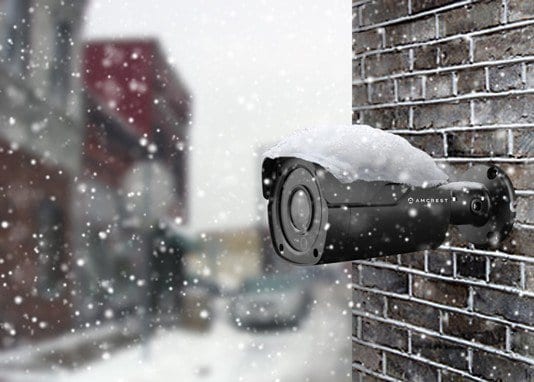
CCTV system performance can also decline gradually. Cameras that once seemed adequate may struggle in low light or fail to capture clear images when it matters. Modern resolution cameras provide sharper footage and improved night visibility, which is essential for identifying activity accurately. Access control can be affected, too. Systems that rely solely on physical keys introduce risks through loss or duplication, while modern access control paired with automatic locking improves consistency and reduces reliance on memory.
Regular maintenance plays a key role in making sure security systems function properly. It helps identify small faults before they lead to system failure. Maintenance checks confirm that alarm systems activate correctly, cameras record reliably, and remote monitoring features remain stable.
Routine checks also help maintain reduced false alarms. When sensors are clean, aligned, and correctly configured, alerts are more accurate. Maintenance also allows homeowners to review coverage and make adjustments as the home changes over time.
Modern updates improve both security and usability. Remote access allows homeowners to check their home security system quickly, whether they are at work or away. Remote monitoring provides reassurance by removing uncertainty and delays. When systems are connected properly, intruder alarms can trigger camera recording or alerts automatically.
Automatic locking helps remove human error by ensuring doors secure themselves. These updates support faster decision-making and clearer awareness. Security systems are most effective when they work alongside daily habits rather than relying on memory or manual checks.
Not every home needs a full system replacement. In many cases, selective updates are enough to restore reliability. Replacing faulty sensors, improving camera placement, or updating communication methods can significantly extend the life of a system.
The key is regular review. A short assessment can reveal whether maintenance, partial upgrades, or replacement is the most practical option. This approach avoids unnecessary cost while ensuring regular security remains strong and dependable.
Home security systems exist to protect people as well as property. Over time, even well-installed alarm systems, intruder alarms, and CCTV systems can fall behind if they are not reviewed. Regular updates ensure systems function as intended and continue to offer meaningful protection.
If you are unsure whether your home security system is still effective, reviewing it is a sensible step. For clear, practical guidance or to discuss your current setup, you can get in touch with CD Locksmith to ensure your security systems remain reliable, current, and fit for purpose.
Call for immediate assistance at home or at work in Barnsley, Sheffield, Rotherham, Doncaster and across South Yorkshire.
As your local emergency locksmith we can help you with:
Locked Out
Lost Keys
Broken Keys
Faulty Locks
Replacement Locks
Door Repairs