
07881 375985
The colder months bring shorter days, icy mornings, and more time spent indoors. While winter can feel cosy, it also creates extra risks for homes, health, and personal safety. Dark evenings give burglars more cover, cold weather can damage property, and heating systems work harder than usual. By planning ahead and making a few changes, you can reduce these risks and stay secure during the winter period. This guide will go through the winter security tips you can use to increase the safety in your home.
In the winter months, homes are more likely to be targeted by burglars, especially in December and January. Longer nights make it easier for intruders to go unnoticed, and many homes are empty during festive visits to friends and family.
Cold weather also increases the risk of frozen pipes, slippery paths, and heating system problems. All of these can affect both your safety and your comfort. Knowing about these risks is the first step to preventing them.
Lock doors and windows as soon as it gets dark, even if you are still at home. Opportunistic burglars often test handles, and a quick check could stop a break-in. For uPVC doors, remember to lift the handle and lock them with the key so they are secure.
Make your home look lived in when you are out. Use timer switches for lights or radios so it appears someone is there. Outdoor motion-sensor lighting is also a strong deterrent, making it harder for someone to approach unnoticed.
Garages and sheds should be locked and well-secured. These often hold expensive bikes, tools, or ladders, which can be stolen or used to gain entry to your home. Check fences and gates for damage before the worst of the cold weather sets in.
Keep valuables out of sight from windows, and close curtains when it gets dark. Dispose of packaging for new purchases discreetly so you do not advertise what’s inside your home.
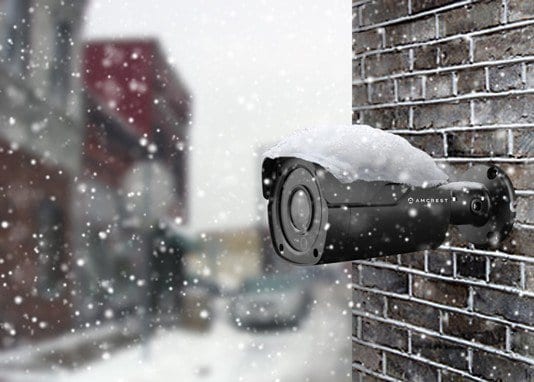
A visible burglar alarm is one of the best deterrents. Security cameras should be weatherproof, with a high enough IP rating to handle snow, sleet, and rain. Models with night vision will help protect your property when visibility is low.
Cold weather can also affect locks, making them stiff or hard to turn. Use an appropriate lubricant to keep them working smoothly.
Spending more time indoors means using more heating and appliances, which can increase fire risk. Test smoke alarms regularly and keep heaters away from curtains, furniture, and bedding.
Electric blankets should only be used as instructed and turned off before sleeping unless designed for overnight use. Never use an electric blanket and a hot water bottle at the same time.
If you use candles or an open fire, never leave them unattended. Fully put out fires before bed and use a fireguard to prevent sparks from escaping.
Frozen pipes are a common problem in cold weather. Insulate pipes in lofts, garages, and outdoor areas, and keep the heating on low if you are away for a while.
Check gutters and roofs before the winter months begin. Clearing leaves and repairing damage will reduce the risk of leaks or ice build-up.
Paths and driveways can become slippery quickly. Grit or salt these areas and ensure they are well-lit to help prevent falls.
In the darker months, visibility is key. Wear bright or reflective clothing when walking or cycling, and make sure bikes have working lights.
Plan your route in advance, using well-lit areas where possible. If using public transport, sit near other passengers or close to the driver.
For drivers, winter safety means preparing your car for cold conditions. Check tyre tread, top up washer fluid with a winter formula, and keep an emergency kit in the car with blankets, a torch, snacks, and water.
Some people find it harder to cope during the winter, especially if they live alone, are older, or have health issues. Regular check-ins can help ensure they are warm, have enough food and medication, and are aware of cold weather alerts.
Encourage them to heat living areas to at least 18°C and keep bedroom windows closed at night to retain warmth. Helping to clear icy paths or collect essentials can also make a big difference.
Severe weather can cause power cuts or travel delays. Keep a small emergency kit at home with torches, spare batteries, bottled water, blankets, and non-perishable food. Keep a charged mobile phone and a list of important contacts nearby.
A carbon monoxide detector is also important, especially if you have gas or solid fuel heating. These devices give early warning of dangerous gas leaks.
The winter months can be enjoyable, but they require extra attention to security and safety. Simple steps like locking doors and windows, using motion lighting, checking heating systems, and keeping paths clear can prevent problems before they happen.
By preparing early and looking out for others, you can enjoy the season while keeping your home and family safe during the cold weather.
Call for immediate assistance at home or at work in Barnsley, Sheffield, Rotherham, Doncaster and across South Yorkshire.
As your local emergency locksmith we can help you with:
Locked Out
Lost Keys
Broken Keys
Faulty Locks
Replacement Locks
Door Repairs